Is Retriever Dog Food Good? My Feeding Verdict


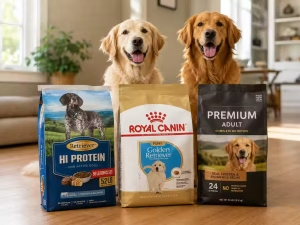
Is Retriever Dog Food good for everyday feeding? After using it with active adult dogs, the answer feels mixed. It works well enough for healthy dogs on a tight budget, but the lower ingredient quality and recall history make it harder to trust long-term. Retriever Dog Food is easy to find at Tractor Supply Company stores across the U.S., and the low price helps a lot in multi-dog homes. During testing, the food kept dogs full and active, though bigger stools and weight gain showed up when portions were too high.
From a nutritional view, Retriever meets basic AAFCO standards, but it does not match the digestibility, research, or ingredient quality of brands like Purina Pro Plan or Hill’s Science Diet. If you want a simple, honest look at real-world feeding, this review breaks down what Retriever dog food gets right and where it falls short.

Retriever Dog Food Review
I’ve been using Retriever Dog Food for daily feeding in a multi-dog home. It worked best for healthy adult dogs with no food issues, but it never felt like a premium food.
The food is cheap, easy to buy, and simple to store. Still, the ingredient quality and feeding results clearly showed where the company cuts costs.
Is Retriever Dog Food Good
Yes, retriever dog food can work for healthy adult dogs on a tight budget, but it comes with trade-offs.
During testing, the food kept active farm dogs full and energetic during long outdoor days. One dog did fine for weeks with stable energy and no skin problems. Another dog had softer stools and gained weight faster than expected.
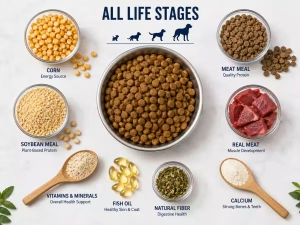
The kibble feels dry and light. The smell is stronger than that of premium brands. The food uses corn, meat, bone meal, soybean meal, and artificial preservatives. Those ingredients help keep the price low.
Retriever Dog Food meets AAFCO rules for adult dogs. It gives healthy dogs basic daily nutrition. Still, it does not match the better ingredients and testing used by Purina Pro Plan or Hill’s Science Diet.
Retriever Dog Food is a low-cost dog food that works for some healthy adult dogs, but it uses lower-quality ingredients and preservatives.
Performance & Real-World Testing
Retriever dog food was tested with adult medium and large breed dogs over several weeks. Testing included indoor feeding, outdoor active dogs, multi-dog feeding schedules, and long-term daily use.
The food stayed fresh in storage and was easy to scoop. Most dogs ate it quickly without hesitation. Stool quality and digestion varied between dogs.
Feeding During Active Outdoor Days
Retriever dog food kept active dogs full during long outdoor play sessions and farm work. Energy levels stayed stable during walks, running, and hot afternoons.
Still, the higher-calorie feeding guide caused one dog to gain extra weight after a few weeks. Reducing portions helped fix the issue.
Digestive Performance Over Time
The food worked best for dogs with strong stomachs. Sensitive dogs showed more gas and larger stools after several days.
The high corn and soy mix may upset some dogs’ stomachs. Stool cleanup became more frequent compared to premium foods.
Kibble Texture and Handling
The kibble feels dry and slightly dusty when pouring it into bowls. The bag is simple to open and reseal with a storage clip.
The smell is stronger than premium brands but not unbearable. Most dogs still seemed excited at feeding time.
Long-Term Coat and Skin Results
Coat quality stayed decent but not impressive. Dogs kept their normal shine, though skin dryness appeared slightly worse in one dog after extended feeding.
Foods with more fish oil and omega-3 fats usually give softer coats and better skin support.
Storage and Durability
The bag stayed stable in dry storage for weeks without clumping. No moisture problems appeared during testing.
The kibble shape also stayed consistent between bags, though some owners report occasional formula differences.
What I Like
- Affordable price → Easy to feed multiple dogs daily → Great for farm owners or large households.
- Wide store availability → Easy to grab during supply runs → Helpful for rural buyers near Tractor Supply.
- Dogs usually enjoy the taste. → Feeding time stayed simple → Good for picky eaters on a budget.
- Large bag sizes → Fewer shopping trips → Helpful for owners feeding big breeds.
- Meets AAFCO nutrition standards → Covers basic adult maintenance needs → Useful for healthy adult dogs.
- Simple feeding routine → Easy to measure and store → Good for busy households.
What Could Be Better
- Ingredient quality feels basic → Noticeable when reading the label → Less appealing for owners wanting real meat first.
- Feeding guide runs high → Happens with less active dogs → May lead to weight gain if portions are not adjusted.
- Stool quality can vary → More obvious in sensitive dogs → Cleanup becomes more frequent.
- Artificial preservatives are included → Seen in lower-cost formulas → Some owners prefer natural preservation.
- Recall history raises concerns → Important for long-term buyers → Reduces confidence compared to premium brands.
At a Glance
| Feature | Retriever |
|---|---|
| Type | Dry kibble |
| Protein Source | Meat and bone meal, corn, soybean meal |
| Formula Type | Adult maintenance |
| Weight Options | Large economy bags |
| Preservation | Artificial preservatives |
| Special Feature | Budget-friendly feeding |
Best for owners who need affordable daily food for healthy adult dogs.
Pros and Cons
| Pros | Cons |
|---|---|
| Very affordable for large bags | Uses artificial preservatives |
| Easy to find at Tractor Supply | Heavy use of corn and fillers |
| Dogs usually like the taste | Recall history hurts trust |
| Works for healthy adult dogs | A feeding guide may cause overfeeding |
| Good for multi-dog homes | Digestibility is not the best |
| Large bags last a long time | Coat quality support feels limited |

Recommendation
Retriever dog food worked best in homes where budget mattered most. It handled everyday feeding well enough for healthy adult dogs without allergies or stomach issues.
For owners with active working dogs or several dogs to feed, the lower cost can make life easier. Still, after long-term use, premium foods clearly showed better digestion, coat quality, and weight control.
Sensitive dogs, senior dogs, or dogs with skin problems may do better on brands with stronger ingredient quality and research.
Comparison With Competitors
Purina Pro Plan
Purina Pro Plan feels much more polished and research-driven. Dogs showed smaller stools, better coats, and steadier body weight.
Strength: Better digestibility.
Weakness: Costs much more.
Best for: Owners wanting strong veterinary-backed nutrition.
Hill’s Science Diet
Hill’s Science Diet focuses heavily on controlled nutrition and digestion support. The food feels cleaner and easier on sensitive stomachs.
Strength: Great for digestion.
Weakness: Expensive for large dogs.
Best for: Dogs with health or stomach concerns.
Pedigree
Pedigree is another budget food often compared with the Retriever. Ingredient quality feels similar, though Retriever bags are often cheaper.
Strength: Low cost.
Weakness: Heavy filler use.
Best for: Budget-focused owners.
| Brand | Main Strength | Main Weakness | Rating |
|---|---|---|---|
| Retriever | Low price | Ingredient quality | 6/10 |
| Purina Pro Plan | Strong nutrition research | High price | 9/10 |
| Hill’s Science Diet | Sensitive digestion support | Expensive | 9/10 |
| Pedigree | Cheap and easy to find | Basic ingredients | 5.5/10 |
What Retriever Dog Food Is Designed For
Retriever Dog Food is designed for budget feeding and basic daily nutrition. It focuses more on affordability and availability than on premium ingredients.
| Formula Purpose | Real-World Use |
|---|---|
| Adult maintenance | Daily feeding for healthy adult dogs |
| Puppy formulas | Basic puppy growth support |
| High-protein option | Active outdoor dogs |
| Budget feeding | Multi-dog households |
| Tractor Supply access | Easy rural availability |
WHY: Budget foods often focus on calorie delivery and basic nutrient targets instead of premium ingredient sourcing.
SCIENCE: AAFCO standards help ensure minimum nutrition levels for healthy dogs.
Rating: 6/10
Ingredient Quality Breakdown
Retriever Dog Food uses lower-cost ingredients to keep pricing affordable. The formulas rely heavily on corn, soybean meal, and generic meat meals.
| Ingredient Area | Observation |
|---|---|
| Named meat | Limited use |
| Generic meat meals | Common across formulas |
| Corn and soy | Heavy inclusion |
| Artificial additives | Present |
| Vitamin fortification | Added to balance nutrition |
| Formula consistency | Moderate |
WHY: Lower-cost ingredients reduce manufacturing costs for large bag sizes.
SCIENCE: Adding vitamins and minerals helps lower-cost formulas meet nutrition targets.
Rating: 5.5/10

Nutritional Composition
Retriever Dog Food meets basic nutritional standards but sits closer to the lower end of ingredient quality.
| Nutrition Area | Performance |
|---|---|
| Protein levels | Moderate |
| Fat content | Average |
| Fiber levels | Slightly high |
| Mineral balance | Sometimes elevated |
| Dry matter quality | Basic |
| AAFCO compliance | Yes |
WHY: Budget foods often balance calories and cost before ingredient quality.
SCIENCE: Dry matter math shows how much nutrition is really in the food.
Rating: 6/10
Processing Method and Formula Design
Retriever uses standard extruded kibble production. This is common in budget dry dog foods.
| Formula Area | Observation |
|---|---|
| Kibble type | Extruded dry kibble |
| Rendered ingredients | Common |
| Heat processing | Standard |
| High-protein labeling | Marketing-focused |
| Research backing | Limited |
WHY: Extrusion helps produce stable and affordable kibble in large amounts.
SCIENCE: High heat processing can slightly reduce some nutrient quality over time.
Rating: 5.5/10

Real-World Feeding Experience With Retriever Dog Food
Daily feeding results varied between dogs. Healthy dogs generally handled the food better.
| Feeding Area | Experience |
|---|---|
| Stool quality | Larger stools |
| Coat condition | Average |
| Energy levels | Stable |
| Appetite | Strong |
| Weight control | Needs portion adjustment |
| Food transition | Mixed results |
WHY: Lower digestibility often creates larger stool volume.
SCIENCE: Dogs absorb nutrients differently depending on ingredient quality and gut health.
Rating: 6/10
Retriever Dog Food Recall History and Safety Concerns
Retriever Dog Food has been linked to recalls through Sunshine Mills manufacturing.
| Recall Area | Details |
|---|---|
| 2020 recall | Aflatoxin concerns |
| 2023 recall | Salmonella concerns |
| Manufacturer | Sunshine Mills |
| Quality control | Less trusted than premium brands |
| Buyer impact | Mixed confidence |
WHY: Recalls matter because they show how companies respond to safety problems.
SCIENCE: Aflatoxins are toxic mold compounds that can seriously harm dogs.
Rating: 4.5/10
Health Considerations Before Choosing Retriever Dog Food
Retriever Dog Food works best for healthy dogs without special health needs.
| Dog Type | Suitability |
|---|---|
| Healthy adults | Usually fine |
| Sensitive stomachs | May struggle |
| Allergy-prone dogs | Higher risk |
| Senior dogs | Needs monitoring |
| Large breeds | Portion control needed |
| Long-term feeding | Mixed results |
WHY: Ingredient sensitivity varies heavily between individual dogs.
SCIENCE: Higher filler content can affect digestion and stool consistency.
Rating: 5.5/10
Retriever Dog Food vs Premium Alternatives
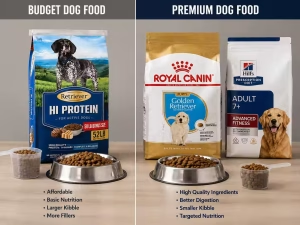
Premium foods usually provide stronger digestion support and ingredient quality.
| Brand | Biggest Difference |
|---|---|
| Retriever | Lowest price |
| Purina Pro Plan | Better research and digestion |
| Hill’s Science Diet | Better health support |
| Pedigree | Similar budget focus |
| Kibbles ’n Bits | Similar ingredient style |
WHY: Premium foods invest more in feeding trials and ingredient testing.
SCIENCE: Better digestibility can improve nutrient absorption and stool quality.
Rating: Retriever 6/10 | Purina Pro Plan 9/10 | Hill’s Science Diet 9/10 | Pedigree 5.5/10
Cost of Ownership Beyond the Bag Price
Retriever looks cheap at checkout, but long-term feeding value depends on digestion and portion size.
| Cost Area | Observation |
|---|---|
| Bag price | Very affordable |
| Feeding volume | Often higher |
| Digestibility | Lower |
| Vet concerns | Weight gain risk |
| Multi-dog savings | Strong benefit |
WHY: Cheaper foods may require larger feeding portions.
SCIENCE: Better digestibility can reduce waste and improve calorie efficiency.
Rating: 7/10
Common Complaints About Retriever Dog Food
Most complaints involve digestion, ingredient concerns, and feeding directions.
| Complaint | Impact |
|---|---|
| Loose stools | More cleanup |
| Excess gas | Digestive discomfort |
| Artificial additives | Ingredient concern |
| Feeding guide confusion | Weight gain risk |
| Formula changes | Inconsistent results |
WHY: Budget formulas can vary more between production batches.
SCIENCE: Digestive tolerance changes from dog to dog.
Rating: 5/10
What Retriever Dog Food Gets Right
Retriever succeeds most in affordability and accessibility.
| Strength | Benefit |
|---|---|
| Affordable pricing | Easier daily feeding |
| Easy store access | Fast restocking |
| AAFCO compliance | Basic nutrition support |
| Simple formulas | Easy feeding routine |
| Large bags | Good value for many dogs |
WHY: Budget feeding matters for many households.
SCIENCE: Basic nutrient compliance still supports healthy adult maintenance.
Rating: 6.5/10
Who Should Buy Retriever Dog Food
Retriever works best for owners focused on low feeding costs.
| Buyer Type | Match Level |
|---|---|
| Multi-dog homes | Strong |
| Budget buyers | Strong |
| Healthy dogs | Good |
| Temporary feeding | Good |
WHY: Cost savings become important in larger dog households.
SCIENCE: Healthy adult dogs often tolerate basic maintenance diets better.
Rating: 7/10
Who Should Avoid Retriever Dog Food
Some dogs may need higher-quality nutrition.
| Dog Type | Risk |
|---|---|
| Sensitive digestion | Higher issues |
| Skin allergies | Possible flare-ups |
| Working performance dogs | Limited support |
| Weight-control dogs | Overfeeding risk |
| Premium nutrition homes | Low satisfaction |
WHY: Specialized dogs often benefit from more advanced formulas.
SCIENCE: Higher-quality proteins can improve muscle maintenance and digestion.
Rating: 4.5/10
Realistic Expectations Before Buying Retriever Dog Food
Retriever Dog Food is best viewed as a basic, entry-level kibble.
| Expectation | Reality |
|---|---|
| Marketing claims | Sounds stronger than the results |
| Daily feeding | Usually acceptable |
| Budget compromise | Ingredient quality drops |
| Nutrition balance | Basic only |
| Upgrade potential | Often worth considering |
WHY: Budget foods balance affordability before premium quality.
SCIENCE: Ingredient sourcing strongly affects digestibility and nutrient use.
Rating: 6/10
By Analyzing This Product From My Own Experience
Using Retriever dog food felt practical but never impressive. It solved feeding costs but created compromises in digestion and ingredient confidence.
| Experience Area | Observation |
|---|---|
| Ingredient transparency | Limited |
| Budget trade-off | Very noticeable |
| Feeding directions | Too generous |
| Compared to premium food | Clearly weaker |
| Overall position | Entry-level kibble |
WHY: Budget foods prioritize affordability over ingredient sourcing.
SCIENCE: Better ingredient quality often improves digestion and coat support.
Rating: 6/10
Performance: Is Retriever Dog Food Good
The retriever handled basic feeding tasks well enough for healthy adult dogs.
| Performance Area | Result |
|---|---|
| Everyday feeding | Acceptable |
| Digestive performance | Mixed |
| Coat support | Average |
| Recipe consistency | Moderate |
WHY: Healthy dogs can often tolerate simple maintenance diets.
SCIENCE: Digestibility directly affects stool quality and nutrient absorption.
Rating: 6/10
Ease of Use: Is Retriever Dog Food Good
The food is easy to buy, store, and serve daily.
| Ease Area | Observation |
|---|---|
| Feeding simplicity | Easy |
| Store access | Excellent |
| Food transition | Moderate difficulty |
| Shelf stability | Good |
WHY: Large retail access makes routine feeding convenient.
SCIENCE: Stable dry kibble stores well when kept cool and dry.
Rating: 7/10
Value for Money: Is Retriever Dog Food Good
The retriever gives strong short-term value for budget buyers.
| Value Area | Observation |
|---|---|
| Cost per pound | Very low |
| Nutrition balance | Fair |
| Budget performance | Strong |
| Long-term value | Moderate |
WHY: Lower prices help large dog households manage costs.
SCIENCE: Better nutrient absorption can sometimes reduce long-term feeding costs.
Rating: 7/10
Overall: Is Retriever Dog Food Good
Retriever Dog Food is not a premium food, but it is not the worst budget option either. It works best for healthy adult dogs without allergies, stomach issues, or strict nutrition needs.
The biggest strengths are price, availability, and simple feeding. The biggest weaknesses are ingredient quality, recall history, and inconsistent digestion.
Owners wanting better coat quality, stronger digestion, and more research-backed nutrition may eventually want to upgrade.
| Final Area | Verdict |
|---|---|
| Healthy adult dogs | Usually acceptable |
| Ingredient quality | Basic |
| Budget value | Strong |
| Premium comparison | Clearly behind |
| An upgrade worth considering | Yes |
WHY: Retriever focuses heavily on affordability and basic maintenance nutrition.
SCIENCE: Premium foods usually invest more in testing, digestibility, and ingredient sourcing.
Final Rating: 6/10
FAQs for Is Retriever Dog Food Good
Is Retriever Dog Food good for healthy adult dogs?
Yes, Retriever Dog Food can work for healthy adult dogs. It meets basic nutrition needs, but ingredient quality is lower than that of many premium dog food brands.
Does Retriever Dog Food use real meat?
Retriever Dog Food uses meat and bone meal in most recipes. Some formulas also rely heavily on corn, soy, and other lower-cost ingredients.
Is Retriever Dog Food safe for long-term feeding?
Many dogs eat Retriever dog food without major issues. Still, dogs with allergies, sensitive stomachs, or weight problems may need a higher-quality food.
Why is Retriever Dog Food so cheap?
Retriever dog food keeps costs low by using budget ingredients and large bag sizes. It is made for affordable daily feeding in multi-dog homes.
Has Retriever Dog Food ever been recalled?
Yes, Retriever dog food has had recalls linked to aflatoxin and Salmonella concerns. Some buyers see this as a reason to choose research-backed brands.
Is Retriever Dog Food good for dogs with sensitive stomachs?
Retriever Dog Food may not work well for sensitive dogs. Some dogs show gas, loose stools, or skin irritation after switching to the food.
Where can you buy Retriever Dog Food?
Retriever Dog Food is sold mainly at Tractor Supply Company stores and online. Its wide store access makes it easy for rural buyers to find.
Does Retriever Dog Food cause weight gain?
It can if portions are too large. The feeding guide feels high for less active dogs, so careful portion control helps avoid extra weight gain.
Is Retriever Dog Food better than Pedigree?
Retriever Dog Food and Pedigree are both budget brands. Retriever often costs less, while Pedigree may offer slightly better formula consistency.
What is the best alternative to Retriever Dog Food?
Popular upgrades include Purina Pro Plan and Hill’s Science Diet. These brands usually offer better digestion, ingredient quality, and research support.