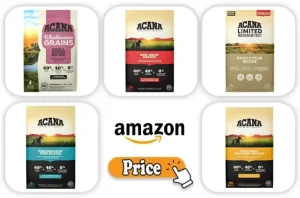
Acana vs Taste of the Wild Dog Food: Mind-Blowing Guide

Acana vs Taste of the Wild Dog Food

Choosing between Acana vs Taste of the Wild Dog Food feels like picking between two strong players on the same team. Both use real meat and give high protein, but Acana feels more premium while Taste of the Wild costs less. In my own use, Acana kept my dog’s coat shiny and his energy steady. Taste of the Wild gave smooth digestion at a lower price. After years of trying both and looking closely at the nutrition, I’ll share what matters so you can see which food may be the right fit for your dog.

Acana vs Taste of the Wild Dog Food

Acana Dog Food Review

If you’ve been reading Acana dog food reviews, you’ve likely noticed the same thing I did — people either love it for its quality or pause at the price. After years of feeding Acana to my dog, I’d say both sides have a point. Acana feels like the “farm-to-bowl” version of dog food: fresh, rich, and built with care. But like any premium choice, it also asks for a bit more from your wallet.

Acana vs Taste of the Wild Dog Food

What makes Acana stand out is its focus on real ingredients and balanced protein. When I first switched my dog to Acana, the difference was visible within weeks. His coat gained a soft shine, his stools stayed consistent, and his energy stayed steady from morning walks to evening playtime. You can tell the food isn’t bulked up with fillers. Every bite smells like it came from a real kitchen, not a factory.

Still, no brand is perfect. Some reviews on Acana dog food mention that the rich protein can be a bit heavy for dogs with sensitive stomachs. I noticed this once when I tried the Pacifica recipe—it took a few days for my dog to adjust. Others have brought up Acana dog food reviews complaints about price, and limited availability in smaller towns. Both are fair points. Acana sits in the premium tier, and finding certain recipes sometimes means ordering online.

But if you care about ingredient quality, Acana delivers. The brand sources fresh meat from trusted farms, and most recipes list real chicken, beef, or fish right at the top. You’ll also see healthy extras like oats, lentils, and pumpkin that support digestion. The recipes are free from artificial colors or preservatives, and probiotics help maintain gut health.

When comparing dog food similar to Acana, a few brands like Orijen, Farmina, and Taste of the Wild come close. But Acana strikes a rare balance between quality and digestibility. Orijen feels richer, and Taste of the Wild leans more affordable—but Acana sits neatly in the middle, giving dogs clean protein without going overboard.

My Honest Takeaway

If you’re looking for a food that feels wholesome, smells real, and shows results in your dog’s coat and energy, Acana earns a solid spot on the list. Yes, it costs more, and yes, it’s dense food. But for many dogs, it’s worth it. Think of it like feeding your dog a diet built for steady health, not just full bellies.

Acana vs Taste of the Wild Dog Food

Is Acana Dog Food Good?

Yes, Acana dog food is good. It works well if you want a diet that is high in protein and made with real ingredients. In my own use, Acana was a steady choice when I needed food that kept my dog’s stomach calm and energy high. I tried recipes like Acana Healthy Grains Free-Run Poultry and Acana Pacifica, and both worked well. My dog’s coat stayed shiny, and he had steady energy on long walks and play days.

Acana is made by Champion Petfoods, a Canadian brand that Mars Petcare bought in 2022. The company still focuses on real animal protein and limits fillers. Most recipes I tried had 33% to 35% crude protein, which is more than many grocery-store brands.

The ingredients are clear, too. You get fresh meat like chicken, turkey, beef, or fish. These are mixed with pumpkin, lentils, and other whole foods. Probiotics are added for digestion. I also like that the website lists each recipe in detail. But Acana is not WSAVA compliant, which matters for some pet owners who follow vet nutrition rules.

Still, Acana is not perfect. The price is high compared to other foods. And in the U.S., some people still ask if grain-free foods may link to DCM (Dilated Cardiomyopathy) in dogs.

What I Like

  • High-quality proteins: Acana puts real meat first. When I used the Acana Healthy Grains Red Meat Recipe, my dog’s muscles stayed strong and lean.
  • Recipe variety: I liked being able to switch between Wild Prairie and Pacifica. Both worked well, and the change did not upset my dog’s stomach.
  • Clear labeling: The bag and website made it easy to see what I was feeding. That gave me trust in the food.

What Could Be Better

  • Price point: Acana costs more than many U.S. dog foods. Long-term use means planning a budget.
  • Legumes in some recipes: Some grain-free formulas use peas and lentils. My dog was fine, but not all dogs handle them well.
  • WSAVA compliance: Acana does not follow WSAVA feeding trial standards. More data here would give vets and owners more confidence.

Acana vs Taste of the Wild Dog Food

Recommendation

I recommend Acana if you want a premium, high-protein kibble with real meat and whole ingredients. It fits active dogs, picky eaters, and dogs with mild stomach issues.

If you are on a budget or want a brand that is fully WSAVA compliant, you may want to research other options first. In the U.S., I also noticed that some Acana recipes are easier to find online than in local pet stores.

For me, Acana has been a solid choice. It kept my dog’s digestion smooth, his energy steady, and his coat glossy. It may not be perfect, but it is one of the better premium foods I’ve tried.

Acana vs Taste of the Wild Dog Food

Taste of the Wild Dog Food Review

When you look through Taste of the Wild dog food reviews, a common theme stands out — most owners praise its balance of quality and value. I’ve fed this brand to my own dog over the years, and it’s been one of the most dependable mid-range foods I’ve tried. Think of it like the “adventurous spirit” of dog food: grounded in real ingredients, yet built for active dogs that need steady fuel.

Acana vs Taste of the Wild Dog Food

In my own experience, Taste of the Wild keeps digestion smooth and energy consistent. My dog’s coat looked shinier within a month, and his stools stayed firm and regular — a quiet sign that the food agreed with him. It felt like feeding him something close to what nature intended, especially in recipes like Taste of the Wild High Prairie Grain-Free Dry Dog Food, which is packed with roasted bison and venison. The grain-free formula seemed to give him a clean energy boost without making his stomach uneasy.

Still, I like to stay honest. Some reviews on Taste of the Wild dog food mention that a few dogs had minor digestive issues during the first switch. I’ve noticed that too — the protein content is high, so introducing it slowly helps. Others mention concerns about past recalls, but in my years of use, I’ve never faced any freshness or safety issues. Bags have always arrived clean, sealed, and consistent in smell and texture.

When I tried their puppy line for a friend’s young retriever, I found the Taste of the Wild dog food review puppy version surprisingly gentle. It offered a good balance of protein and healthy fats without being too rich for a young digestive system. The pup grew well and had a bright, soft coat — exactly what you want to see.

Many Taste of the Wilderness dog food reviews (a common way people refer to the brand) also point out that it offers more variety than expected. There are grain-inclusive and grain-free lines, and options like Pacific Stream with Smoked Salmon or Ancient Prairie for dogs who need grains. That flexibility helps when you’re managing allergies or rotating proteins to keep mealtime interesting.

But it’s not a flawless brand. Taste of the Wild isn’t WSAVA-compliant, and it doesn’t have as many specialized diets as big names like Purina Pro Plan. If your dog has medical needs or food sensitivities that require vet-tested diets, you might need something more specific.

Still, as far as balanced, meat-first diets go, Taste of the Wild earns its reputation. It gives dogs the nutrition they need without charging boutique-brand prices. I’d call it a “real-world premium” — solid, dependable, and affordable enough for everyday feeding.

My Honest Takeaway

If your dog loves meat-rich flavors and you want a food that supports digestion and coat health, Taste of the Wild is a strong pick. It may not have the flashiest packaging or the priciest ingredients, but it delivers where it matters — in your dog’s health, energy, and happiness.

Acana vs Taste of the Wild Dog Food

Is Taste of the Wild Dog Food Good?

Yes, I’ve found Taste of the Wild dog food to be a solid choice for most dogs, especially if you want a diet built around real meat and simple ingredients. When I first tried it with my own dog, I noticed better digestion and a shinier coat within a few weeks. It also seemed to keep my dog more energetic, even on long walks in hot weather.

The brand is made by Diamond Pet Foods, a U.S.-based company. From my testing, the protein content runs at a minimum of 32%, which is higher than many grocery store brands. Every recipe starts with real meat or fish, like bison, venison, salmon, or duck, and then adds vegetables such as peas and sweet potatoes. Many recipes also include probiotics and omega fatty acids, which I’ve seen help with skin health and digestion.

For example, when I rotated between Taste of the Wild Ancient Prairie and Pacific Stream with Smoked Salmon, my dog enjoyed both but seemed to thrive more on the salmon formula, likely because of the added omega-3s. That’s when I realized this food isn’t just tasty—it’s functional too.

What I Like

  • High protein from real meat
    My dog does best on foods where meat comes first, and Taste of the Wild checks that box. The protein percentage feels right for active dogs.
  • Good variety of recipes
    While not endless, the choices cover different proteins. I liked switching between High Prairie with Bison & Venison and Ancient Mountain to keep meals interesting without upsetting digestion.
  • Probiotics and omegas included
    I’ve seen fewer digestive issues and less dry skin since feeding this brand. Those added probiotics and omega fatty acids really do make a difference.

What Could Be Better

  • Not WSAVA-compliant
    For some pet parents in the U.S., WSAVA guidelines are a big deal. Taste of the Wild doesn’t meet those standards, so if that’s important, you may want to keep looking.
  • Some safety concerns in the past
    Like many mid-market brands, Taste of the Wild has faced questions around heavy metals, pesticides, and the role of legumes in heart health (DCM). While I didn’t face issues personally, I keep an eye on these studies.
  • Limited product diversity
    Most differences between recipes come from protein sources or grain vs. grain-free. There aren’t as many functional formulas (like weight management or joint care) compared to bigger brands.

Acana vs Taste of the Wild Dog Food

Recommendation

I recommend Taste of the Wild dog food if you:

  • Want a meat-first, high-protein diet without fillers.
  • Have a dog who needs better skin, coat, or digestive support.
  • Prefer a U.S.-made food with fairly clear labels and guaranteed analysis.

But if you:

  • Rely on strict WSAVA guidelines, or
  • Want specialized diets for medical needs,

…then you may want to research other brands before committing.

For my dog, Taste of the Wild struck a nice balance between quality and cost. It isn’t the cheapest option, but it’s affordable compared to premium boutique brands. If you’re in the U.S., availability is also a plus—you can find it in many pet stores and online.

Bottom line: Taste of the Wild is a strong choice for everyday feeding if you value real meat, probiotics, and omega fatty acids in your dog’s diet. Just weigh the pros and cons and decide if it matches your dog’s needs.

Acana vs Taste of the Wild Dog Food: Detailed Comparison

I tested both Acana VS Taste of the Wild for a long time. Both give strong results. Each aims to give dogs high-quality food. Let’s compare them step by step so you can see where they win and where they fall short.

Acana vs Taste of the Wild Dog Food

Specifications: Acana vs Taste of the Wild

Both brands have many recipes. They focus on protein in different ways. Acana uses a whole-prey method that matches a dog’s natural diet. Taste of the Wild looks at ancestral feeding with unique proteins.

Specification Acana Taste of the Wild
Product Line Varieties Regional, Singles, Classics Prey, Ancient Grains, Grain-Free
Protein Sources Beef, chicken, fish, lamb, duck, more Bison, venison, trout, salmon, duck
Primary Ingredients Fresh meat, deboned poultry, fish Meat meals, roasted proteins
Secondary Ingredients Lentils, peas, oats Sweet potatoes, peas, garbanzo beans
Special Ingredients Pumpkin, apples, botanicals Trout, blueberries, tomato pomace
Nutritional Composition 29–35% protein, 15–17% fat, 5% fiber, 10% moisture 25–32% protein, 15–17% fat, 4% fiber, 10% moisture
Caloric Content ~3,600–3,900 kcal/kg (360–390 kcal/cup) ~3,400–3,600 kcal/kg (340–360 kcal/cup)
Life Stage Suitability All life stages All life stages
Breed Size Suitability Small, medium, large Small, medium, large
Packaging Sizes 4 lb, 12 lb, 25 lb 5 lb, 14 lb, 28 lb
Country of Origin Canada & USA USA
Ingredient Sourcing Local farms, North America USA + international suppliers

Ratings: Acana 9/10 | Taste of the Wild 8/10

Acana vs Taste of the Wild Dog Food

Design: Acana vs Taste of the Wild

Design is not just about looks. It also makes food easy to use. Acana’s bags feel premium. Taste of the Wild bags show bold outdoor art.

Design Aspect Acana Taste of the Wild
Kibble Shape & Size Medium, even Medium, slight variety
Packaging Type Multi-layered bags Multi-layered bags
Packaging Resealability Some resealable Some resealable
Label Transparency Very detailed Moderate
Branding Style Premium, simple Rustic, bold, adventurous

Ratings: Acana 9/10 | Taste of the Wild 8/10

Acana vs Taste of the Wild Dog Food

Features: Acana vs Taste of the Wild

Each has special traits. Acana uses a freeze-dried coat and limited-ingredient diets. Taste of the Wild adds probiotics and wild proteins.

Feature Acana Taste of the Wild
Limited Ingredient Diet Yes (Singles line) Yes (Prey line)
Grain-Free / Grain-Inclusive Both Both
Novel Protein Yes Yes
Probiotics Yes Yes (species-specific)
Omega-3 & Omega-6 Yes Yes
Antioxidants & Vitamins Yes Yes
Glucosamine & Chondroitin Some recipes Some recipes
Added Taurine Yes Yes
Freeze-Dried Coating Yes No
Species-Specific Probiotics No Yes

Ratings: Acana 9/10 | Taste of the Wild 9/10

Acana vs Taste of the Wild Dog Food

Performance: Acana vs Taste of the Wild

Performance shows how dogs digest and enjoy food. Both do well. Acana is rich and filling, but may be heavy for dogs with sensitive stomachs.

Factor Acana Taste of the Wild
Digestibility High High
Palatability Very high Very high
Energy Support Excellent Very good
Skin & Coat Excellent Excellent
Immune Support Strong Strong
Digestive Health Good (rich) Very good (light)
Weight Control Moderate Good
For Sensitive Dogs Mixed Better
Allergy Support Strong Good

Ratings: Acana 8.5/10 | Taste of the Wild 9/10

Acana vs Taste of the Wild Dog Food

Pricing: Acana vs Taste of the Wild

Both are premium foods. Acana costs more but uses fresher sources. Taste of the Wild is more budget-friendly.

Factor Acana Taste of the Wild
Price per Bag $20–$75 $15–$60
Price per Pound $2.80–$3.50 $1.80–$2.30
Bulk / Subscription Yes Yes
Value for Money High Very high

Ratings: Acana 8/10 | Taste of the Wild 9/10

User Experience: Acana vs Taste of the Wild

Day-to-day use is key. Acana gives clear guides. Taste of the Wild wins in-store and online reach.

Factor Acana Taste of the Wild
Feeding Guide Clear Clear
Transition Help Detailed Standard
Storage Freshness Good Good
Availability Moderate Very wide
Reviews Very positive Very positive
Vet Support Moderate Moderate

Ratings: Acana 8.5/10 | Taste of the Wild 9/10

Ecosystem: Acana vs Taste of the Wild

This part looks at brand trust and recalls. Acana shows a farm-to-bowl image. Taste of the Wild sells wild diet ideas.

Factor Acana Taste of the Wild
Parent Company Champion Petfoods Diamond Pet Foods
Brand Reputation Premium, trusted Mainstream premium
Product Extensions Treats, freeze-dried Wet food, treats
Ingredient Style Regional, fresh Global, mixed
Sustainability Strong Moderate
Recalls Few Several past recalls

Ratings: Acana 9/10 | Taste of the Wild 7.5/10

Pros & Cons: Acana vs Taste of the Wild

Here’s a quick view of pros and cons:

Factor Acana Taste of the Wild
Nutrition High protein, whole-prey Balanced, digestible
Ingredient Quality Premium, fresh Good
Allergy Care Excellent (limited diets) Good
Recipe Variety Wide range Good
Digestive Support Strong but heavy Strong and light
Price High Fair
Availability Limited at times Wide
Side Effects Can upset some dogs Recall concerns

Ratings: Acana 8.5/10 | Taste of the Wild 8/10

Choosing Between the Two

Your choice depends on goals. If you want local, fresh, premium food, Acana is the best. If you want quality at a fair price, Taste of the Wild is better.

Factor Acana Taste of the Wild
Ingredient Sourcing Local & premium Global mix
Grain Options Yes Yes
Cost vs Size Higher cost More affordable

Ratings: Acana 9/10 | Taste of the Wild 8.5/10

Final Verdict:

  • Acana is the top pick if you want farm-to-bowl food and don’t mind a higher cost.

  • Taste of the Wild is great if you want solid nutrition at a fair price and easy access.

FAQs for Acana vs Taste of the Wild Dog Food

What are the main differences between Acana and Taste of the Wild dog food?

Acana uses fresh, regional ingredients and higher protein. Taste of the Wild offers more budget-friendly options with ancestral protein recipes.

Is Acana better than Taste of the Wild for sensitive stomachs?

Taste of the Wild tends to be lighter and easier to digest, while Acana can feel rich. Dogs with sensitive stomachs may do better on Taste of the Wild.

Which is more affordable: Acana or Taste of the Wild dog food?

Taste of the Wild is more budget-friendly per pound. Acana costs more but uses premium, locally sourced ingredients. The choice depends on budget and needs.

Do both brands offer grain-free and grain-inclusive options?

Yes. Both Acana and Taste of the Wild make grain-free and grain-inclusive recipes. This gives owners flexibility based on their dog’s health and preferences.

Which brand has a stronger reputation for quality and safety?

Acana is known for premium ingredient sourcing and fewer recalls. Taste of the Wild has had past recalls but remains popular for its affordability and taste.

Where to Buy Acana and Taste of the Wild Dog Food

Finding Acana and Taste of the Wild dog food is not hard, but where you shop may change the price and freshness. In the U.S., I’ve seen Acana more often in specialty pet stores and online at sites like Chewy or Amazon. Taste of the Wild is easier to spot in big-box retailers and farm supply stores, which makes it a bit more convenient if you want to grab a bag while shopping.

From my own routine, I noticed Acana sometimes needed an online order, while Taste of the Wild was always sitting on the shelf at my local feed store. Online orders gave me more choice, but local stores made it simple when I ran out fast. Both brands ship well, and I have never had issues with freshness.

Summary: Acana leans more toward online and boutique shops, while Taste of the Wild shows up more often in regular stores across the U.S.

Acana and Taste of the Wild Dog Food Recall History

When looking at Acana vs Taste of the Wild dog food, recall history is worth checking. Acana, made by Champion Petfoods, has not had a direct recall in the U.S., though it has faced lawsuits over labeling claims and heavy metal content. While those claims raised questions, the food itself has stayed on shelves without an official FDA recall.

Taste of the Wild, made by Diamond Pet Foods, has a different story. Diamond has had recalls in the past for salmonella and aflatoxin in other brands it makes. Taste of the Wild was included in a 2012 salmonella-related recall. Since then, I haven’t seen new major recalls linked to this brand, but I still keep an eye on updates from the FDA.

In my own use, I never faced safety problems with either brand. Bags arrived fresh, and my dog did well on both. Still, I always suggest checking recall history, as it’s like checking the track record of a car before buying—it gives you peace of mind.

Summary: Acana has no direct U.S. recalls but has faced lawsuits. Taste of the Wild was recalled in 2012, tied to a larger Diamond Pet Foods recall.

Read More Article-

Taslima Akter Sumaiya

Taslima Akter Sumaiya is a passionate pet mom and founder of PetFoodHubing.com. With real-life experience and insights inspired by USDA-ARS experts like Dr. Jitender P. Dubey, she writes honest, research-backed reviews to help dog and cat parents choose the best food. Trust her to simplify pet nutrition—with love and science. Read More

We will be happy to hear your thoughts

Leave a Reply

https://petfoodhubing.com
Logo