Is Blue Buffalo Good Dog Food? My Honest Experience

When I first asked myself, “Is Blue Buffalo a Good Dog Food? (Honest Review From a Real Dog Owner) When I searched “is Blue Buffalo a good dog food?”, it wasn’t curiosity — it was worry. My dog was scratching nonstop. He stopped getting excited about meals. His coat looked dull. I knew something was wrong, and I needed answers fast. So I tested Blue Buffalo myself.

In this article, you’ll get my real experience, ingredient breakdown, safety facts, and an honest verdict — not marketing talk. By the end, you’ll know if Blue Buffalo is actually good for your dog… or one to skip.

Table of Contents

Is Blue Buffalo Good Dog Food? My Experience & What You Should Know

I’ve had dogs my whole life. And like many pet parents, I’ve spent years trying to find the “right” food. Some made my dog itchy. Others upset his stomach. A few were just…meh. That’s when I started looking into Blue Buffalo.

I’ll be honest—at first, I was unsure. The packaging looked nice. The price was a bit higher. But I was desperate to help my dog feel better. So, I gave it a shot.

After switching, I noticed real changes. His coat looked softer. He had more energy. And best of all, the itching almost stopped. That caught my attention fast.

Blue Buffalo claims to use real meat, no corn or wheat, and no fillers. That sounded great. But I didn’t stop there. I dug into reviews, read the ingredient lists, and even checked out their recall history.

Now, after using it for over a year, I can say this: for my dog, it worked. It might not be perfect for every pup. But if you’re wondering, is Blue Buffalo good dog food?—my answer is yes, it can be.

In this article, I’ll walk you through everything I’ve learned. I’ll share what I love, what I don’t, and what you should know before switching.

What is Blue Buffalo? A Quick Overview

Blue Buffalo started with a dog named Blue. He was a lovable Airedale who struggled with health issues. His family wanted better food to help him feel good again. That search led them to create a brand focused on natural, high-quality ingredients. And that’s how the Blue Buffalo story began.

Their mission is sweet and simple: “Love them like family, feed them like family.” It’s more than just a slogan. It’s the heart behind everything they make.

Blue Buffalo offers a wide range of products. You’ll find dry kibble, wet food, and treats. They also have the popular Wilderness line, which is higher in protein and inspired by a dog’s wild roots.

Is Blue Buffalo Good Puppy Food?

Yes—Blue Buffalo makes puppy food that supports healthy growth. Their Life Protection Formula for Puppies includes DHA for brain development, protein for strong muscles, and no corn, wheat, or soy.

I used it with my beagle pup, and the results were clear—her coat shone, and her energy soared. If you’re asking, “Is Blue Buffalo good puppy food?” the answer is yes. It’s gentle, nutritious, and made with ingredients you can trust.

My Personal Experience With Blue Buffalo

I first tried Blue Buffalo because my dog wouldn’t stop itching. No matter what I fed him, the scratching, flaky skin, and low energy kept coming back. I knew something had to change. That’s what led me to start digging into dog food labels—and Blue Buffalo kept popping up.

Blue Buffalo helped my dog with itching and low energy, which is why I gave it a try.

At first, I was skeptical. I’d been burned before by “premium” brands that promised a lot but delivered little. But Blue Buffalo looked different. No corn, no soy, no weird fillers. Just real ingredients I could pronounce. I figured, “Why not?”

I chose Blue Buffalo because the ingredients looked simple and clean, without cheap fillers.

The first few weeks on Blue Buffalo surprised me. My dog’s coat got shinier. His eyes looked brighter. And he wasn’t chewing at his paws anymore. Even his energy picked up—he started grabbing his leash before I was even out of bed. That was a good sign.

After switching, I noticed my dog had more energy and a much healthier coat.

What I liked most? It felt like real food, not mystery pellets. The kibble smelled fresher, and he actually seemed excited at mealtime. But it’s not all perfect. Some formulas didn’t sit well with his stomach, especially the richer ones like Wilderness. I had to test a few before finding the right fit.

Not every Blue Buffalo formula worked for my dog—but the right one made a big difference.

Compared to other premium brands I’ve tried—like Merrick, Nutro, or Hill’s Science Diet—it holds its own. Blue Buffalo might not be the fanciest, but it hits a sweet spot: better ingredients than budget brands, but still affordable. For a lot of dog owners, that balance really matters.

Compared to other premium foods, Blue Buffalo feels like a solid middle ground that works for many dogs.

Is Blue Buffalo a Good Dog Food? Here’s My Honest Answer

If you’ve been asking yourself, “Is Blue Buffalo a good dog food?” — you’re not alone. That exact question is what led me to try it for my own pup. After over a year of using it, I can honestly say: yes, Blue Buffalo is a good dog food for many dogs—especially those with allergies or sensitive stomachs.

I saw improvements in my dog’s coat, energy, and digestion. It may not be perfect for every pup, but the real ingredients, lack of fillers, and clean labels make it a strong option worth trying.

Ingredient Quality – What’s Really Inside Blue Buffalo?

One of the first things that made me stop and look at Blue Buffalo was the label. The first ingredient was real meat—chicken, lamb, or fish, depending on the recipe. That’s a big deal. Real meat gives dogs the protein they need to build muscle and stay active. It’s not some mystery meat or filler. It’s the good stuff.

Then there’s brown rice, oatmeal, and sweet potatoes. These give your dog energy without being too heavy. I like that they stay away from corn, wheat, and soy. My dog used to get itchy with some foods, and those fillers didn’t help. Cutting them out seemed to calm things down.

Blue Buffalo also doesn’t use meat by-products. That means you won’t find ground-up beaks or feet in there. Instead, they use things like “chicken meal,” which is a more concentrated source of protein. Sounds strange at first, but it’s actually great for dogs. It’s clean and packed with nutrients.

They even add extras like blueberries, cranberries, flaxseed, and turmeric. These small things help with your dog’s skin, joints, and immune system. When I read the list, it almost felt like a health smoothie—just for dogs.

Now, let’s talk about grain-free. Blue Buffalo makes grain-free recipes, too. But not every dog needs them. I tried a grain-free option for a while, but it didn’t sit well with my pup. Some dogs do better with grains, especially whole ones like brown rice. Always good to check with your vet before making a switch.

Overall, Blue Buffalo keeps things clean, simple, and focused on real food. That’s what I want in my dog’s bowl—ingredients I know and trust. And when I see my dog happy, healthy, and full of energy? That’s how I know it’s working.

Is Blue Buffalo a Good Brand?

Yes—Blue Buffalo is considered a good dog food brand by many pet parents and review sites. Dog Food Advisor often rates its top formulas 4 or 5 stars, especially Wilderness and Life Protection.

What makes it a good brand? Real meat, clean labels, and a wide variety of choices. It may not be the fanciest food, but it’s trusted, transparent, and widely available—qualities that make it a solid choice for many families.

Blue Buffalo’s use of real ingredients and clean labels has earned it awards and high ratings from nutrition-focused reviewers.

Of course, I also wanted to know what the pros had to say. Some vets do recommend Blue Buffalo—especially for dogs with certain needs like allergies or sensitive stomachs. But I’ll be honest, not every vet is a fan. Some prefer prescription-only brands. So, like with anything, it’s good to ask your vet first.

Do Vets Recommend Blue Buffalo Dog Food? (Vet Opinions Explained)

So, do vets recommend Blue Buffalo dog food?

The honest answer is: some do — and some don’t.

Many vets recommend Blue Buffalo for dogs with:

  • Food allergies
  • Itchy skin
  • Sensitive stomachs

Why? Blue Buffalo avoids corn, soy, and wheat. It also offers limited-ingredient recipes like the Basics line.

But here’s the other side.

Some veterinarians prefer brands like prescription diets because those formulas go through clinical feeding trials. That doesn’t mean Blue Buffalo is bad. It just means vet opinions vary.

When I asked my vet, she said this:

“If your dog is healthy and thriving on it, there’s no problem.”

That’s what matters most.

If you’re unsure, ask your vet this simple question:
“Is Blue Buffalo a safe long-term food for my dog’s specific needs?”

That small step gives peace of mind.

Blue Buffalo Dog Food Reviews: What Real Dog Owners Are Saying

Before buying, I read hundreds of Blue Buffalo dog food reviews.

Most dog owners said the same things: shinier coats, less itching, better digestion, and excited mealtimes. Some mentioned upset stomachs when switching too fast — but nearly all said results improved once the transition slowed down.

That matched my experience exactly.

Is Blue Buffalo Bad for Dogs?

No, Blue Buffalo is not bad for most dogs.

But it is not perfect for every dog either.

Some dogs may struggle with:

  • Rich, high-protein formulas
  • Grain-free recipes
  • Sudden food switches

Most issues happen when:

  • Owners switch too fast
  • The formula is too rich
  • The dog already has medical sensitivities

In my experience, the right formula worked very well.

If your dog has:

  • Chronic illness
  • Heart concerns
  • Severe allergies

Talk to your vet before choosing any new food.

For healthy dogs, Blue Buffalo is generally safe and widely used.

Are Blue Buffalo Treats and Wet Food Good?

When I first tried Blue Buffalo treats, I was just hoping for something my dog would actually want to eat—and wouldn’t upset his stomach. I’d been through crunchy biscuits that smelled like cardboard and chewy snacks that caused itching. Blue Buffalo’s treats were a game-changer. They smelled fresher, had ingredients I could recognize (like chicken, pumpkin, and blueberries), and my dog went crazy for them. Short answer? Yes, Blue Buffalo treats are good for dogs—especially when you’re looking for cleaner, more natural options.

The thing I love most about their treats is what’s not in them—no corn, wheat, or artificial junk. I gave my pup the “Blue Bits” during training, and they were the perfect size for rewards. They didn’t crumble into dust like other brands, and they didn’t upset his stomach either. If your dog has allergies or a sensitive belly, Blue Buffalo treats might be a smart choice. Just check the label—some are softer, others are crunchy, so match it to your dog’s chewing style.

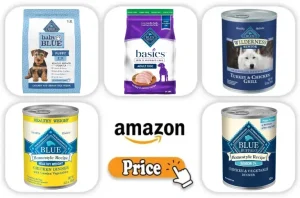
Now, let’s talk about Blue Buffalo’s wet food. Honestly, it surprised me. I usually mix a spoonful into dry kibble to make meals more exciting. The texture was rich, not mushy or watery. My dog gobbled it up like it was a gourmet dinner. I tried the Homestyle Recipe first—think of it like comfort food for dogs. Blue Buffalo wet food is good for dogs who are picky eaters, older dogs with dental issues, or pups needing extra hydration.

One thing to keep in mind—wet food costs more than kibble. But if your dog refuses dry food or needs a softer texture, it can be totally worth it. I found that rotating in wet food a few times a week kept mealtime interesting. Even a small scoop can boost flavor and keep your dog excited about eating.

Then there’s the Wilderness line. It’s Blue Buffalo’s high-protein, grain-free option—and it really does feel like the “adventure dog” version of their food. I tried it when I was experimenting with grain-free recipes. The ingredients were bold: deboned salmon, duck, bison—stuff you’d expect to see in a gourmet dog cookbook. Blue Buffalo Wilderness is a good dog food for active dogs, working breeds, or those who need more protein. But fair warning: it can be rich, so ease into it and see how your dog handles it.

The Wilderness line also comes in wet and dry versions, and I noticed the wet food was especially helpful for boosting appetite during hot months when my dog didn’t want to eat much. Think of it as a protein-packed stew—great for dogs who burn a lot of energy.

In the end, not every dog will love every formula, but Blue Buffalo gives you a lot of options to try. From crunchy treats to hearty stews and Wilderness meals, there’s a solid chance you’ll find something that works. If you’re wondering whether Blue Buffalo treats, wet food, or Wilderness is a good fit, the short answer is yes—especially if you choose based on your dog’s taste, size, and needs.

Recommendation

Blue Buffalo dog food is not perfect. But for dogs with allergies, picky appetites, or low energy, it can be a real upgrade from cheap kibble.

If you choose the right formula and switch slowly, the results can be worth it.

Blue Buffalo Dog Food Pros and Cons (The Honest Breakdown)

If you’re thinking about switching food, you need the full picture. Here’s the honest truth about Blue Buffalo dog food pros and cons — no hype, no sugarcoating.

Pros

  • Real meat always comes first (chicken, fish, or lamb)
  • No corn, wheat, or soy fillers that often cause itching
  • Wide range of options (Life Protection, Wilderness, Basics, puppy, senior)
  • Added extras like omega-3s, probiotics, and antioxidants for overall health

Cons

  • Some recipes may be too rich for sensitive stomachs
  • Higher price than basic kibble brands
  • Past recalls that may concern careful dog parents
  • Not every formula is vet-recommended, especially the grain-free ones

Blue Buffalo pros and cons matter because every dog reacts differently. One formula might fix skin issues. Another might upset digestion. Knowing both sides helps you choose the right recipe — not just the brand.

Not sure which formula to choose?

Scroll down — I’ll show you exactly which Blue Buffalo recipe worked best for my dog and which ones I’d avoid.

So, Is Blue Buffalo Good for Your Dog? My Final Verdict

If you’re still asking yourself, “Is Blue Buffalo good for dogs?”—I get it. Choosing dog food isn’t just about reading labels; it’s about how your pup actually feels after eating it. And after over a year of feeding Blue Buffalo to my own dog, here’s my honest take.

Who is it best for?

Blue Buffalo is a great option for dog parents who care about clean ingredients and want a step up from grocery store brands without going full-on boutique or prescription-level. If your dog has itchy skin, food sensitivities, or gets bored with bland kibble, Blue Buffalo offers formulas that might just turn things around. The Life Protection line, in particular, strikes a nice balance—nutritious without being too heavy.

It’s also ideal for pet parents who want options. Whether you’re dealing with a picky eater, a high-energy pup, or a senior with dental issues, there’s probably a recipe in the Blue Buffalo lineup that fits. My dog thrived once I found the right one—and that made feeding time way less stressful.

When might it not be the best fit?

That said, Blue Buffalo isn’t perfect for every dog. Some formulas—especially the Wilderness or grain-free lines—can be a bit rich. If your dog has a sensitive stomach or you’re switching from a lower-protein food, you’ll want to transition slowly. I learned that the hard way with a couple of messy days (you know what I mean).

Also, if you’re really budget-conscious, it’s not the cheapest food on the shelf. And for dogs with complex medical conditions, your vet may suggest a more specialized, prescription-based brand.

What should you do before switching?

Before jumping in, definitely chat with your vet—especially if your dog has allergies, a chronic condition, or is on a special diet. Even high-quality food can cause issues if it’s not the right match.

And take the switch slowly. Start by mixing a little Blue Buffalo with your dog’s current food, gradually increasing the amount over 7–10 days. This gives your dog’s digestive system time to adjust. I followed this approach, and it made a huge difference in avoiding stomach upset.

Final thought?

For me—and my dog—Blue Buffalo was a win. It’s not magic, but it’s thoughtful, transparent, and generally trustworthy. If your dog’s been itchy, picky, or just not excited about mealtime, it’s worth giving it a shot. Just like with anything else in life (and parenting, honestly), it takes a little trial and error. But when you find the right formula, and your dog looks up at you with that happy, tail-wagging grin—you know you’ve done something right.

FAQs About Blue Buffalo Dog Food

Is Blue Buffalo recommended by vets?

Some vets do recommend it, but not all. Big names like Hill’s or Royal Canin are more common in vet clinics. But Blue Buffalo is known for using real meat and fewer fillers. I used it when my dog had tummy problems. It helped a lot. He had less gas and more energy. So, some vets like it—especially for dogs with food issues.

Has Blue Buffalo ever had a recall?

Yes, it has had a few recalls. The big ones were in 2010 and 2017. Most were due to wrong labels or safety checks. I remember checking their website during one recall. They shared all the facts. Since then, they’ve worked to make their food safer. Recalls are scary, but they handled it well.

What’s the difference between Blue Buffalo and Blue Wilderness?

Blue Wilderness has more meat and no grains. It’s made for dogs who need lots of energy. My Aussie loved it. Her coat looked great, and she had more pep on walks. Regular Blue Buffalo has some grain and less protein. It’s a good pick for everyday dogs. So, Wilderness is better for active pups. Regular Blue is better for mild energy needs.

Is Blue Buffalo good for dogs with allergies?

Yes, it can help. Some Blue Buffalo lines, like Basics, use fewer ingredients. They avoid corn, soy, and wheat. When my beagle had itchy skin, I tried their turkey and potato food. After a week, she scratched less and looked calm. It’s not magic, but it helps if your dog has food issues. The simple recipe makes it easier to find what works.

Blue Buffalo vs Purina: Which Is Better?

Many dog owners compare Blue Buffalo vs Purina.

Here’s the simple breakdown:

Purina

  • Backed by feeding trials
  • Strong vet presence
  • Wide prescription range

Blue Buffalo

  • Real meat first
  • No corn, wheat, or soy
  • More “natural” branding

If your dog has medical issues, Purina’s prescription lines may be better. If your dog struggles with itching or ingredient sensitivity, Blue Buffalo might feel cleaner and simpler.

I switched from Hill’s to Blue because my dog needed fewer fillers. His digestion improved.

The best choice depends on your dog — not the label.

Alternatives to Blue Buffalo (If It’s Not Right for Your Dog)

Not every dog loves Blue Buffalo. And that’s okay. Just like people, dogs have their own tastes and needs. If your pup isn’t thriving on Blue, here are some great options that might be a better fit.

Brands with Similar Quality: (Wellness, Merrick, Nutro)

If you’re looking for foods with real meat, fewer fillers, and good ingredients, Wellness, Merrick, and Nutro are all solid picks. They’re in the same quality range as Blue Buffalo. I tried Wellness Core for my rescue dog once—he licked the bowl clean every time. Merrick, on the other hand, was a hit with my senior Labrador thanks to its soft texture and fresh smell.

These brands focus on real ingredients and often avoid artificial stuff, which is great if your dog has a sensitive belly or skin. Each one also has grain-free and limited-ingredient options.

Budget-Conscious Alternatives (4Health, Purina Pro Plan Balance, American Journey, Royal Canin Canned, Hill’s Science Diet)

Let’s be real—some premium foods can be pricey. If you want something gentler on your wallet but still better than basic kibble, check out American Journey, 4Health (from Tractor Supply), or Pure Balance (from Walmart). I’ve used American Journey during a tight month, and my dog honestly didn’t notice the switch. No tummy troubles, no fuss.

These are good picks if you want decent nutrition without the premium price tag. They might not be as “fancy” on the label, but they get the job done.

Vet-Prescribed Foods for Specific Needs

If your dog has a health issue—like kidney trouble, joint pain, or food allergies—a regular store-bought brand might not cut it. This is where vet-prescribed diets come in. Brands like Hill’s Science Diet, Royal Canin Canned Veterinary, and Purina Pro Plan Veterinary have formulas for almost every issue.

I used Royal Canin Canned GI formula when my beagle had stomach issues. It was a bit more expensive, but it helped fast. These diets are backed by science, so if your vet suggests one, it’s worth trying—even if it’s not as “natural” as Blue.

Blue Buffalo Grain-Free and Heart Disease: What You Should Know

In 2019, the FDA investigated a possible link between grain-free dog food and heart disease (DCM).

Blue Buffalo’s grain-free line was included in the broader investigation.

Important:
The FDA did not confirm that Blue Buffalo directly causes heart disease.

The research is still ongoing.

Some experts believe certain ingredient combinations — especially heavy use of peas or legumes — may play a role.

Because of that concern, I personally switched away from grain-free.

If your dog is healthy and your vet has no concerns, grain-free may still be fine.

But if your dog has heart risk factors, ask your vet first.

Addressing Controversies & Recalls

I’ll be honest—when I first heard about the recalls tied to Blue Buffalo, I felt uneasy. I had just started feeding it to my dog, and suddenly I was Googling things like “Is Blue Buffalo bad for dogs?” and “Blue Buffalo recall list.” If you’ve done the same, you’re not alone. Let’s talk about what really happened and what it means for you and your pup.

Blue Buffalo Recall History (Full Timeline)

If you’re searching for “Blue Buffalo recall,” here are the facts.

Blue Buffalo has had recalls. Here’s a simple timeline:

  • 2010: Voluntary recall due to high vitamin D levels
  • 2017: Wet food recall after possible aluminum contamination
  • 2017 (separate case): Lawsuit over ingredient labeling

No widespread injury reports were confirmed in those cases.

After the recalls, Blue Buffalo updated its safety process. They tightened ingredient sourcing and added more quality checks.

Every major dog food brand has had recalls at some point. What matters is how the company responds.

In this case, Blue Buffalo addressed the issues and improved oversight.

If recalls worry you, check the latest update directly from the manufacturer before buying. That matters to me. It shows they listened and learned from their mistakes.

Read More Article:

Badlands Superfood Complete reviews

Best Freeze-Dried Dog Food for Sensitive Guts

Taslima Akter Sumaiya

Taslima Akter Sumaiya is a passionate pet mom and founder of PetFoodHubing.com. With real-life experience and insights inspired by USDA-ARS experts like Dr. Jitender P. Dubey, she writes honest, research-backed reviews to help dog and cat parents choose the best food. Trust her to simplify pet nutrition—with love and science. Read More

We will be happy to hear your thoughts

Leave a Reply

https://petfoodhubing.com
Logo