Is raw cat food safe? The short answer is yes, but only when handled with care and made to be balanced. I tried it with my own cat and saw good changes, like better coat and energy, but I also had to stay strict with storage and hygiene. In the U.S., many brands follow strong safety rules, which helps lower risk, but home handling still matters most.
In simple terms, raw feeding can work well, but only if you do it right—so it’s worth learning the basics before you start.
Raw Cat Food Review
I’ve been using raw cat food on and off for my cats, and I’ve seen both the good and the tricky sides. It can work well, but only when done right and with care.
Is Raw Cat Food Safe Good
Yes, raw cat food can be safe, but only when you use it the right way. I learned this after trying both homemade and store-bought raw meals.
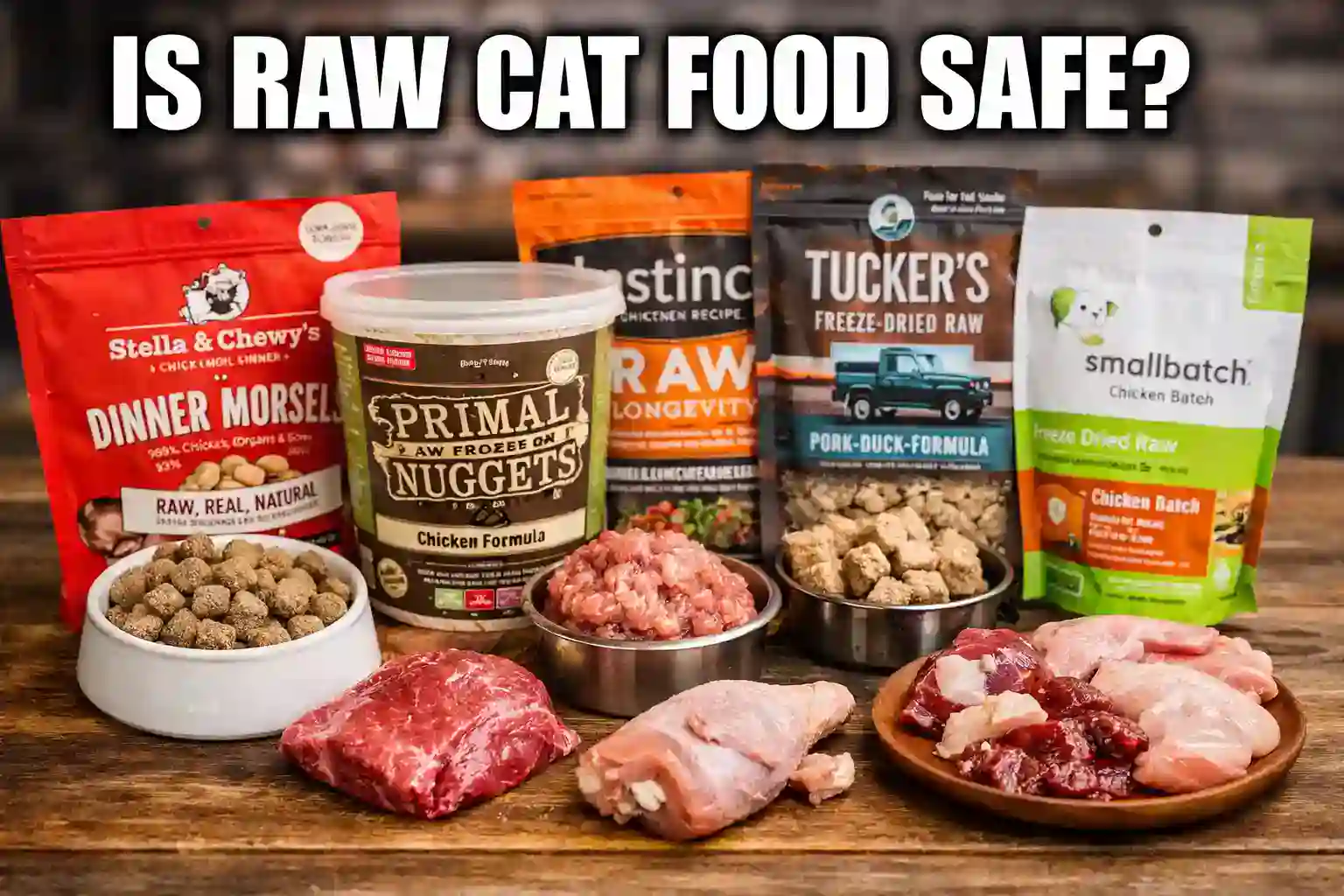
When I first switched, I used a commercial option from Stella & Chewy’s. My cat had more energy and a shinier coat within weeks. That was a big win.
But I also tried a homemade mix once. It took more time. I had to measure nutrients like taurine and calcium. I realized fast that small mistakes can cause big health issues.
One key thing I noticed is how important storage is. Raw food must stay frozen or cold. If left out too long, it can grow harmful bacteria like Salmonella.
For U.S. pet owners, many brands follow strict safety rules. This helps lower risk. Still, safe handling at home matters just as much.
What I Like
Better coat and energy: I saw my cat’s fur get softer and shinier after switching to raw cat food for a few weeks.
Simple ingredients: I liked knowing what my cat eats. Many raw foods use real meat with no fillers. It felt clean and natural.
Closer to a natural diet: Raw cat food matches what cats eat in the wild. I noticed better digestion and smaller stools.
What Could Be Better
Food safety risks: Raw meat can carry bacteria. I had to be extra careful when handling and cleaning.
Time and effort: Homemade raw diets took a lot of planning. It was not easy to get the balance right.
Cost and access: Good raw brands can cost more, and not all local stores carry them.
Raw Cat Food at a Glance
Factor
Quick Insight
Safety
Safe if handled and sourced well
Nutrition
Good if balanced and complete
Risk Level
Medium due to bacteria risk
Best For
Healthy adult cats
Not Ideal For
Kittens, senior, sick cats
Pros and Cons of Raw Cat Food
Pros
Cons
Natural and high in protein
Risk of bacteria
Can improve coat and energy
Needs careful storage
Fewer fillers
Can be expensive
Recommendation
From my experience, raw cat food works best for healthy adult cats when you choose a trusted brand like Primal Pet Foods. I felt more confident using ready-made raw meals than making my own.
If you are new, I suggest starting with commercial raw food. It is safer and already balanced. In the U.S., many brands follow strict guidelines, which adds peace of mind.
I would not suggest raw diets for kittens, older cats, or cats with health issues. In those cases, it is better to talk to a vet first.
If you want a simple and low-risk option, high-quality cooked or dry food is still a safe choice. Raw can be great, but only if you are ready to handle it the right way.
Understanding Raw Cat Food in Practice
I used raw feeding in two ways. Sometimes it feels easy. Other times it feels hard. In the end, it depends on your method.
Raw cat food can carry harmful bacteria and parasites, posing health risks to both cats and humans. While some diets are nutritionally balanced, improper handling or formulation increases the chance of illness.
Most veterinary authorities advise caution or avoidance due to safety and contamination concerns.
Type
What It Includes
Ease Level
Commercial Raw
Ready, balanced meals
Easy
Homemade Raw
Meat, organs, bones (DIY)
Hard
Freeze-Dried
Dry raw, add water
Medium
Frozen Raw
Keep frozen, then thaw
Medium
Rating:
Commercial Raw: 8/10
Homemade Raw: 5/10
Freeze-Dried: 7/10
Frozen Raw: 7/10
Safety Verdict Up Front: Risk vs Control
Raw food can be safe. You must be careful. Risk rises fast if you slip.
Raw cat food can be safe if handled well, but the risk rises with poor hygiene and homemade prep.
Risk Type
Key Issue
Control Level
Biological
Germs like Salmonella
Medium
Nutritional
Missing key nutrients
Low–Medium
Handling
Poor storage or cleaning
Medium
Rating:
Controlled Commercial Use: 7/10
Poor Handling: 3/10
Biological Hazards
Raw meat needs care. One small mistake can spread germs.
Bacterial Exposure
Raw meat can carry germs. They spread during prep or feeding.
Parasites
Bad meat can carry parasites. Good sourcing helps reduce this.
Human Risk
People can get sick, too. Kids and older adults face more risk.
Hazard Type
Risk Source
Impact Level
Bacteria
Raw meat handling
High
Parasites
Poor sourcing
Medium
Human Spread
Surfaces, litter
Medium
Rating:
Overall Hazard Risk: 6/10
Nutritional Adequacy
I made a DIY mix once. It looked good. It was not balanced.
Key Nutrients
Cats need taurine and calcium. Raw diets may miss them.
DIY Challenges
DIY diets are hard to balance. A vet guide helps.
Commercial vs DIY
Brands follow rules. DIY can vary.
Factor
Commercial Raw
Homemade Raw
Balance
High
Low
Accuracy
Regulated
Varies
Risk
Medium
High
Rating:
Commercial Raw: 8/10
Homemade Raw: 4/10
Vet View
Most vets are careful about raw diets.
Source Type
Position
Vet Groups
Caution
Public Health Bodies
Concern
Pet Owners
Mixed
Rating:
Vet Approval Level: 5/10
Real-Life Effort
Raw feeding takes time. It adds daily work.
Daily Work
You need freezer space. You need time.
Cleaning
Clean tools after each meal.
Travel
Travel makes raw feeding hard.
Factor
Difficulty Level
Storage
Medium
Cleaning
High
Travel
High
Rating:
Ease of Use: 5/10
Health Results
I saw some good changes. Not all claims felt clear.
Cooked or freeze-dried diets offer similar benefits with lower risk than raw feeding.
Option
Safety Level
Ease
Cooked Diets
High
Easy
Freeze-Dried Raw
Medium
Easy
Vet Plans
High
Medium
Rating:
Cooked Diets: 9/10
Freeze-Dried: 7/10
Vet Plans: 8/10
Decision Drivers
I had to weigh effort and reward.
Factor
Importance
Risk tolerance
High
Time need
High
Nutrition skill
High
Rating:
Decision Clarity: 7/10
Supply Risks
Not all meat is equal.
Factor
Issue Level
Sourcing quality
Varies
Traceability
Low
Consistency
Medium
Rating:
Supply Risk: 6/10
Expectation vs Reality
Raw feeding sounds easy. It is not.
Raw feeding often takes more time, care, and cost than most owners expect.
Expectation
Reality
Natural and easy
Needs time and effort
Health boost
Mixed results
Simple diet
Needs planning
Rating:
Expectation Match: 6/10
How We Test
I test raw cat food like I would test food for my own family. Care and honesty guide each step. I look at both the good and the risk.
Raw feeding can feel like walking a thin rope. If you stay steady, it works well. If you slip, problems can come fast. So I take small steps and watch closely.
I do not trust claims alone. Real life matters more. So, I watch how my cat reacts, how the food feels, and how easy it is to use each day.
What I Pay Attention To
I focus on simple things that matter most.
First, I check the ingredient list. I look for real meat. I avoid long and unclear names. Simple food feels safer.
Next, I look at balance. Cats need key nutrients like taurine. If a food misses this, it can harm health over time.
Then, I check safety. Raw food must stay cold. I watch how the brand packs and stores it.
I also notice how my cat responds. Coat, energy, and digestion tell a lot. My cat’s fur got soft and smooth on good raw food. That was a clear sign.
But I also watch for small issues. Loose stool or low appetite can mean the food is not right.
How I Test in Real Life
I test raw food in a simple and slow way. I begin with small portions and avoid quick changes. This helps my cat adjust with less stress.
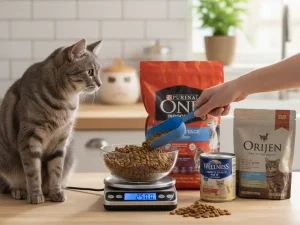
For storage, I stay careful. The food stays frozen, and I thaw only what I need. It never sits out for long. After each use, all tools get a full clean. I handle raw cat food the same way I handle raw meat for people.
This step takes time, but it keeps things safe.
I also try both types. I used ready-made raw from brands like Stella & Chewy’s. It was easy and felt safe. I also tried DIY once. It was hard and easy to get wrong.
Over time, I saw that ready-made raw is better for most people. It saves time and lowers risk.
How I Judge the Brand
I do not judge a brand by ads. Trust matters more to me. Next, I check if the brand shares clear and honest info. Good brands tell you where meat comes from. They explain how food is made.
I also look at safety history. Recalls matter. A clean record builds trust. Then I check the ease of use. Some brands make raw feeding simple. Others need more work.
Price also plays a role. Raw food can cost more. I ask if the value feels fair for what you get.
In my use, brands like Primal Pet Foods felt more balanced and easy to trust. They gave me peace of mind.
What I Learned Over Time
Raw feeding taught me a lot. It can help some cats. I saw a better coat and good energy. That felt great.
But it also needs effort. It is not a quick fix. It takes time, care, and clean habits. I learned that small mistakes can grow fast. One bad storage step can ruin the food.
I also learned that not every cat needs raw. Some do just as well on high-quality cooked food.
My Honest Testing Style
I keep my testing simple and real. I do not try to make raw food look perfect. It has risks. It has effort. But it also has real benefits when done right.
I test like a pet owner, not a lab. I watch, I learn, and I adjust. In the end, I trust what I see over what I hear. That is how I keep my reviews honest and helpful.
FAQs of Is Raw Cat Food Safe
Is raw cat food safe for everyday feeding?
Raw cat food can be safe for daily use if it is balanced and handled well. Many owners use brands like Stella & Chewy’s for better safety and ease.
Is raw cat food safe for kittens and senior cats?
Raw cat food is not the best choice for kittens or older cats. Their immune systems are weaker, so the risk from bacteria and poor balance is higher.
Is raw cat food safe if I prepare it at home?
Homemade raw food can be risky if not done right. It is easy to miss key nutrients like taurine. A vet guide helps reduce this risk.
Is raw cat food safe compared to cooked cat food?
Cooked cat food is safer in most cases. It has a lower bacteria risk and is easier to handle. Raw feeding needs more care and strict hygiene.
Is raw cat food safe for humans to handle?
Raw cat food can spread bacteria during handling. Wash your hands and clean surfaces well. Homes with kids or older adults should take extra care.