How Many Calories Does a Cat Need? My Expert Solution
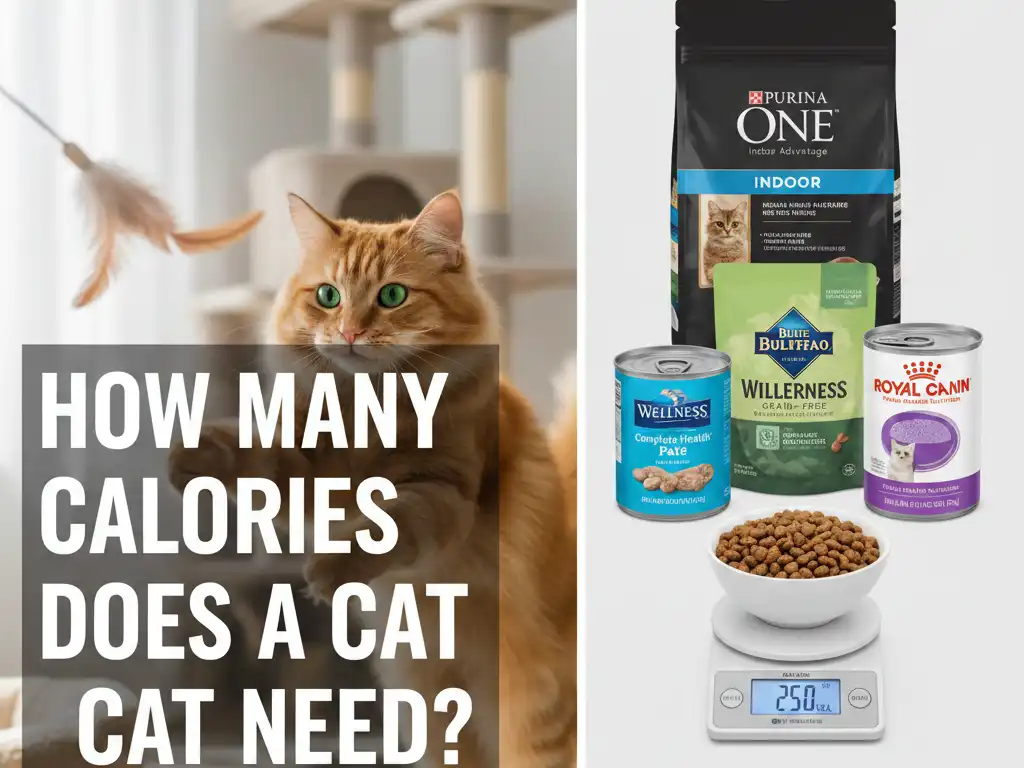

Ever wonder why your cat stares at their bowl like it is empty when it is actually half full? Most indoor cats in the USA need about 20 to 30 calories per pound, which means a typical 10-pound cat thrives on roughly 200 to 250 calories each day. From my years of keeping cats fit, I have found that small changes in their bowl make a big difference in their zoomies. Since every pet is a bit different, checking a how many calories does a cat need calculator or asking your vet is the best way to keep them lean and healthy.
Matching your cat’s food to their real daily energy use is the secret to a long, happy life.

Understanding What Cat Food Is
If you’ve ever poured kibble into a bowl early in the morning and been stared down like you’re late, you already know food matters to cats. But what exactly counts as cat food?
Simple Definition of Cat Food
Cat food is not just food. This is a precise mix of fuel designed for cats. Made commercially, it fits a cat’s daily lifestyle. The formula delivers the right amount of energy. Essential nutrients are included to help them thrive.
Cat food is commercially prepared nutrition designed to meet a cat’s specific daily energy and nutrient needs, unlike human food.
Why Cats Need Specially Made Food
Cats are obligate carnivores. This means they must eat meat. They rely on nutrients found in animals. Human food often lacks these key parts. It can also mess up their calorie balance.
Cats Have Unique Nutritional Needs
Every cat is different. Calories depend on metabolism. Size plays a huge role. Activity level matters too. Standards are set by groups like the Association of American Feed Control Officials (AAFCO).
Description & Rating
Cat food is complex fuel designed for a simple purpose: keeping your pet alive and well. It balances proteins, fats, and carbs in ways a home-cooked meal might miss.
| Feature | Details |
| Purpose | Total nutrition |
| Key Standard | AAFCO Guidelines |
| Primary Source | Animal Protein |
Concept Rating: 10/10 – Essential for life. You cannot skip this.

Types of Cat Food and How They Affect Calories
The type of food in the bowl—crunchy, soft, or somewhere in between—can change how many calories a cat eats in a day.
Dry Cat Food (Kibble)
Dry food is dense. It is easy to store. It is easy to scoop.
- Pros: It lasts a long time. It is convenient.
- Cons: It is high in calories. It is easy to pour too much.
Dry cat food is calorie-dense and shelf-stable, making it convenient but easy to overfeed compared to wet food options.
Wet Cat Food (Canned)
Wet food has water. It has fewer calories per bite.
- Pros: It helps them drink water. It is easy to portion.
- Cons: It spoils fast. You must use it once opened.
Semi-Moist Cat Food
This is soft but chewy. With moderate calories, it helps support balanced nutrition. Its flavor often appeals to picky eaters. Compared to dry or wet food, this option is less common.
Special Diet Cat Foods
These are for specific needs.
- Life-stage: For a kitten, adult, or senior.
- Medical: For weight loss or sick pets.
- Calories: These vary a lot based on the goal.

Description & Rating
Choosing between wet and dry food changes how much your cat eats. Wet food fills them up with water, while dry food packs energy into small bites.
| Food Type | Calorie Density | Best For |
| Dry (Kibble) | High | Grazers / Dental Health |
| Wet (Canned) | Low | Hydration / Weight Loss |
| Semi-Moist | Medium | Picky Eaters |
Concept Rating: 9/10 – Variety is good, but knowing the calorie count of your chosen type is vital.
Ingredients in Cat Food and Their Calorie Role
Flip over a cat food bag, and the ingredient list might look long, but each part plays a role in energy and health.
Common Ingredients Explained
Animal proteins like chicken or fish are usually listed first. Grains or other carbohydrates, such as rice or corn, often appear as well. In addition, added vitamins help round out the formula.
Why Protein Matters Most
Protein is king. It gives them amino acids. It gives them energy. High protein diets fit a cat’s nature. They burn protein well.
Essential Nutrients Cats Need
Cats need taurine for their hearts. They need fatty acids for their skin. Balanced nutrients help them use calories the right way.
Description & Rating
Ingredients are the building blocks of health. High-quality protein helps cats stay lean, while too many fillers can lead to weight gain.
| Ingredient | Role | Importance |
| Protein | Muscle & Energy | High |
| Fats | Energy Store | Moderate |
| Vitamins | Vital Functions | High |
Concept Rating: 9.5/10 – The quality of calories matters just as much as the quantity.
Nutritional Benefits of Proper Calorie Intake
When calorie intake matches a cat’s needs, it shows—sometimes in a glossy coat, sometimes in a surprise burst of zoomies.
Energy and Daily Activity
Calories are fuel. They power energetic play sessions and hunting-style toys. During rest, that same energy supports healthy breathing and deep sleep.
Benefits for Fur, Teeth, and Bones
Good food makes fur shine. It keeps teeth strong. It supports their bones.
Why Balanced Nutrition Matters
Too much food is bad. Too little is bad. Balance keeps digestion smooth. It keeps weight steady.
Description & Rating
Seeing your cat thrive is the best reward. Proper calories mean they have the energy to play and the health to relax.
| Benefit | Sign of Health |
| Coat | Shiny, soft fur |
| Energy | Active play sessions |
| Weight | Ribs felt but not seen |
Concept Rating: 10/10 – This is the ultimate goal of feeding your pet.
How Many Calories Does a Cat Need Each Day?
The short answer is “it depends, but the long answer helps explain why one cat thrives on a full bowl while another doesn’t.
Calories Based on Age
Kittens (under 1 year) grow fast. They need a lot of fuel. Adult cats need enough to maintain. Senior cats often slow down. They need less.
On average, indoor adult cats need 20–33 calories per pound, while kittens need significantly more to support rapid growth.
Activity Level and Lifestyle
Indoor adult cats burn less energy. Active/Outdoor cats run and hunt. They need more food. A nap lover needs less than a chaser.
General Calorie Ranges
Here is a rough guide for general calorie guidelines:
- Average adult cat: 20–35 calories per pound.
- Neutered/Spayed Cats: They have slower metabolisms. They need fewer calories.
Description & Rating
Knowing the numbers helps you avoid guessing. Your cat’s weight tells you if the math is right.
| Weight (lbs) | Daily Calories (Approx.) |
| 5.5 lbs | 130 – 150 |
| 8.8 lbs | 190 – 210 |
| 11 lbs | 220 – 250 |
| 13.2 lbs | 260 – 290 |
| 15.4 lbs | 290 – 320 |
Concept Rating: 10/10 – Understanding these numbers is the key to preventing obesity.
Choosing the Right Cat Food for Calorie Needs
Standing in the pet food aisle can feel oddly overwhelming—bright bags, bold claims, and a cat at home who expects dinner on time.
Match Food to Life Stage
Buy food for their age. Kittens need growth formulas. Seniors need joint support.
Consider Health and Body Condition
Watch their weight. If they are heavy, look for weight management food. If they have sensitive tummies, pick simple recipes. Treats count too. Limit them.
Role of Veterinary Guidance
Ask a vet. They do not rely on guesswork. Instead, your cat is weighed to get accurate information. Overall health is carefully evaluated. From there, a real, personalized plan is created.
Description & Rating
The right bag of food solves half the puzzle. It takes the guesswork out of portions and ensures your cat gets what they need.
| Factor | What to Look For |
| Life Stage | Kitten, Adult, Senior labels |
| Health | Weight control or sensitive stomach |
| Advice | Ask your Vet |
Concept Rating: 9/10 – The right product makes calorie counting much easier.
Safety and Storage of Cat Food
Even the right calories won’t help if food isn’t stored properly—something you notice fast when a bowl smells “off.”
Proper Storage Practices
Seal dry food tightly. Keep air out. Put wet food in the fridge once open.
Why Expired or Spoiled Food Is Unsafe
Old food loses nutrients. It can make cats sick. It tastes bad.
Clean Feeding Bowls Matter
Wash the bowl. Bacteria grow fast. A clean bowl keeps food fresh. It keeps your cat happy.
Description & Rating
Good habits keep good food safe. A stale meal is a wasted meal, and a dirty bowl can lead to a sick cat.
| Habit | Best Practice |
| Dry Food | Air-tight container |
| Wet Food | Cover and refrigerate |
| Bowls | Wash daily |
Concept Rating: 8/10 – Simple hygiene protects the investment you made in their food.
Cat Food Options
Picking the right brand is a big step in managing how many calories a cat needs to stay healthy and lean. These popular choices offer a range of energy levels to fit your cat’s specific lifestyle.
Purina ONE
This is a great, affordable choice for many owners. It uses real meat to help maintain strong muscles and healthy energy.
| Best For | Primary Protein | Calorie Level |
| Budget-Friendly | Chicken | Moderate |
Rating: 8/10 – A reliable, mainstream choice that balances cost and quality.
Orijen
Orijen is a premium brand that mirrors a cat’s natural diet. It is packed with fresh animal ingredients and is very calorie-dense.
| Best For | Primary Protein | Calorie Level |
| High-Protein Needs | Multiple Meats | High |
Rating: 9.5/10 – Excellent quality for active cats, though it is a more expensive “luxury” option.
Wellness
Wellness focuses on whole-body health with natural ingredients. Their recipes often include added fiber to help with digestion and weight.
| Best For | Primary Protein | Calorie Level |
| Natural Ingredients | Turkey/Chicken | Balanced |
Rating: 9/10 – A fantastic, trustworthy brand for owners who want clean, simple labels.
Royal Canin
Royal Canin is famous for making food for specific breeds and health needs. They offer precise portions to help cats who are prone to weight gain.
| Best For | Primary Protein | Calorie Level |
| Specific Health Needs | Poultry | Precise |
Rating: 9/10 – Very professional and backed by science, making it a safe bet for any life stage.
Conclusion
From ingredient labels to calorie counts, cat food plays a quiet but constant role in a cat’s daily life.
- Cat food is designed to meet specific nutritional and calorie needs.
- Different food types and ingredients affect energy intake.
- Understanding how many calories a cat needs supports long-term health.
- Informed choices help cats stay active, comfortable, and well-nourished.
FAQs for How many calories does a cat need
How many calories does a cat need each day?
Most cats need 20 calories per pound. A 10-pound cat eats about 200 calories. Active cats need more food. This keeps them fit and happy.
Does wet food have fewer calories than dry food?
Yes, wet food has more water. It has fewer calories per cup. Dry food packs more energy. Wet food is good for a cat on a diet.
How do I know if my cat eats too much?
Feel for their ribs. You should feel them easily. If not, they may eat too much. A vet can help you plan their meals.
Do kittens need more food than adult cats?
Yes, kittens grow very fast. They need plenty of fuel to grow and thrive. Because they burn so much energy while playing, their bodies require frequent refueling. As a result, kittens eat more often than older cats.
Do treats count towards the daily calorie limit?
Yes, treats add up fast. Limit them to small amounts. Too many snacks add weight. Count them in the total food for the day.