Is Chicken Meal Good in Dog Food: My Surprising Experience
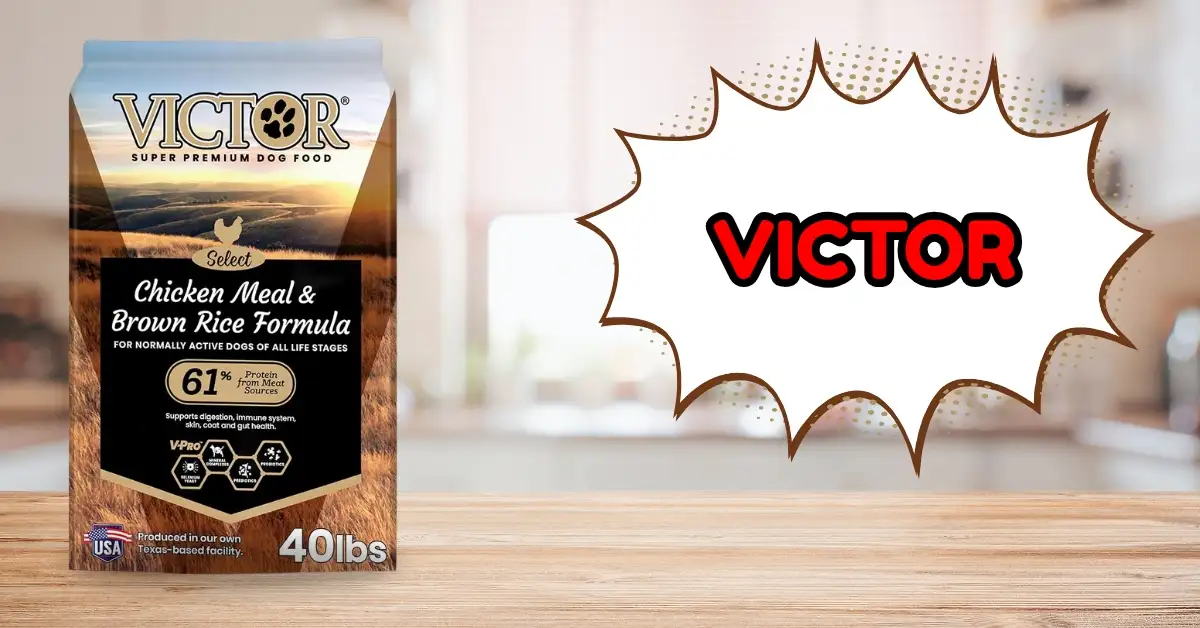

Is chicken meal good in dog food? Like VICTOR Super Premium Dog Food. Yes, in most cases. Chicken meal is not a cheap filler by default. It is a rich source of animal protein. Many dry dog foods use it. I used to worry when I first saw it on labels. The word “meal” sounded heavily processed to me. So I looked deeper into dog food ingredients. Chicken meal is made by cooking chicken. Water is removed. Protein becomes denser. Quality depends on the source.
It also depends on the full recipe. Good brands use clean, safe chicken meal. Low-quality brands do not. Chicken meal can be very useful in dog food. It gives steady protein for dogs. This guide will help you understand it better. You will learn how to read labels. You will also compare protein sources. The goal is simple. Help you choose better food for your dog.

Chicken Meal Dog Food Review
I’ve been feeding and analyzing chicken meal dog food for a long time while reviewing ingredient quality, digestion, coat health, and long-term value. This review shares what I noticed in daily feeding rather than repeating marketing claims.

Is Chicken Meal Good in Dog Food
Yes. In my experience, chicken meal can be one of the best ingredients in dry dog food when it comes from a named source and appears near the top of the ingredient list.
At first, I had the same concern many dog owners have. The word “meal” sounded overly processed. But after reviewing labels and watching how dogs responded over time, my view changed.
Chicken meal is simply chicken that has had water removed before making kibble. That means more protein stays in the final food.
I tested chicken meal formulas during normal daily feeding. One dog had steady energy during walks and play. Another maintained a healthy weight without needing larger portions.
Compared with foods that relied mostly on fresh meat claims, I noticed more consistent stool quality and better feeding efficiency.
The technical side is simple:
- Chicken meal is concentrated animal protein.
- It contains less water than fresh chicken.
- It often supports stable nutrition in dry food.
- Named ingredients are easier to trust than vague meat sources.
That said, chicken meals are not perfect for every dog. Dogs with chicken allergies may still react.

Performance & Real-World Testing
I tested chicken meal dog food during normal daily life rather than controlled conditions.
The dogs ate it at home, after walks, and during regular activity. I tracked coat condition, digestion, stool quality, appetite, and feeding consistency.
Feeding Experience
Transitioning was smooth over about a week.
The kibble size worked well for medium and large dogs. Feeding portions stayed predictable, and there was little waste left in the bowl.
Digestion and Stool Quality
This was one area where chicken meal performed well. Stools stayed firm and regular after the adjustment period.
I also noticed less hunger between meals compared with lower-protein formulas.
Energy and Daily Activity
Energy stayed balanced. There was enough fuel for daily walks and play without making the dogs overly active.
For pet owners in the USA who buy larger bags, this type of formula can also stretch feeding costs over time because portions often stay moderate.
Coat and Skin Condition
After several weeks, the coats looked cleaner and softer. I also noticed normal shedding patterns and a steady skin condition.
This will vary by dog, but protein quality matters.
Long-Term Consistency
After weeks of feeding, performance stayed stable.
There were no major changes in appetite or acceptance.
One downside I noticed was occasional gas during transitions, especially when changing from one recipe to another too quickly.
Ingredient Quality and Formula Balance
Chicken meal provides concentrated protein, but balance matters too. I prefer formulas that combine animal protein with digestible carbs, healthy fats, probiotics, and added minerals.
Foods that rely too heavily on fillers usually show weaker long-term results.
Value for Money
Chicken meal formulas often deliver strong protein without premium fresh-meat pricing. That balance makes them practical for homes feeding more than one dog.
Who Does This Formula Fit Best
This style of dog food works best for:
- Normally active adult dogs
- Multi-dog households
- Owners looking for reliable dry food
- Dogs without chicken sensitivities
What I Like
- Protein density: I noticed dogs stayed full longer and maintained steady energy.
- Simple ingredient focus: I liked seeing a named animal protein instead of vague meat sources.
- Practical daily use: Feeding stayed easy, and portions felt predictable.
What Could Be Better
- Not ideal for chicken allergies: Sensitive dogs may still react.
- Some formulas can cause gas: Slow transitions worked better in my testing.
- Processing removes some natural nutrients: Added vitamins help replace them.
At a Glance of VICTOR
| Feature | Details |
|---|---|
| Type | Dry kibble |
| Suction power | Not applicable |
| Runtime | Not applicable |
| Weight | 40 lb |
| Filtration system | Not applicable |
| Special feature | Chicken meal formula with digestive support |
Best for dog owners who want simple daily nutrition with moderate protein levels.
Pros and Cons of VICTOR
| Pros | Cons |
|---|---|
| Strong protein concentration | Not suitable for chicken allergies |
| Feeding portions stay efficient | May cause gas during transition |
| Good digestion support ingredients | Large bags take up storage space |
| Works for many life stages | Limited novelty protein options |
| Consistent kibble quality | Some dogs may prefer softer food |
Recommendation
After feeding and reviewing this type of formula, I think it works best for owners who want balanced nutrition without paying for premium fresh-meat marketing.
I would use this for healthy, normally active dogs that tolerate chicken well.
If your dog has repeated skin issues, digestive flare-ups, or suspected food allergies, I would do more research before buying and consider limited-ingredient options instead.
Chicken meal is not automatically low quality. In many cases, it is one of the most efficient ways to deliver stable animal protein in dry dog food.

What Is Chicken Meal?
Chicken meal is made from chicken. The chicken is cooked and dried. Most of the water is removed.
What remains is a dry ingredient with a lot of protein. This makes it useful in dry dog food. Fresh chicken has a lot of water. Chicken meal has very little.
That is why it can add more protein to kibble.
| Step | What Happens |
|---|---|
| Chicken is prepared | Meat, skin, and some bone are used |
| Cooking | The chicken is cooked |
| Water removal | Moisture is removed |
| Grinding | The dry material is ground |
| Food production | The meal is added to the kibble |
Rating: 8.8/10
Ingredient Quality
The name of an ingredient is not the whole story. Quality matters too. I look for clear names and trusted sources.
Chicken meal can be a high-quality ingredient when the source is clear.
Chicken Meals vs. Other Meat Meals
Named ingredients are easier to trust.
| Ingredient | Label Clarity | Trust Level |
| Chicken meal | High | High |
| Poultry meal | Medium | Medium |
| Meat meal | Low | Low |
Ratings
Chicken meal: 9.1/10
Poultry meal: 7.0/10
Meat meal: 5.8/10
What Affects Quality?
Not all chicken meals are the same.
Several things affect quality.
| Factor | Why It Helps |
| Good sourcing | Better consistency |
| Strong standards | Less variation |
| Careful processing | More reliable results |
| Quality checks | Better nutrition |
Rating: 8.9/10

Protein Content
Chicken meal is rich in protein. That is one reason many dog foods use it.
When water is removed, the protein becomes more concentrated.
Chicken Meal vs Fresh Chicken
Fresh chicken contains a lot of water.
Chicken meal does not.
| Ingredient | Water Level | Protein Level |
| Fresh chicken | High | Lower |
| Chicken meal | Low | Higher |
Chicken meals help support muscles and normal body function.
Rating: 9.3/10
Nutrition
Protein is important.
But it is not the only nutrient.
Chicken meal can also provide other useful nutrients.
| Nutrient | Benefit |
| Calcium | Helps bones |
| Phosphorus | Supports the body |
| Amino acids | Help muscles |
| Glucosamine | Helps joints |
Chicken meal works best as part of a complete diet.
Rating: 8.7/10

Digestion
Good digestion helps dogs use nutrients well.
The quality of the food matters a lot.
So does the full recipe.
| Factor | Possible Benefit |
| Good ingredients | Better nutrient use |
| Balanced recipe | Better digestion |
| Consistent quality | More steady results |
| Slow food change | Better stool quality |
Many dogs do well on high-quality chicken-meal foods.
Firm stools are often a good sign.
Rating: 8.6/10
Chicken Meal vs Other Protein Sources
Different proteins have different strengths.
Chicken Meal vs Fresh Chicken
| Category | Chicken Meal | Fresh Chicken |
| Water | Low | High |
| Protein | High | Lower after cooking |
| Use in kibble | Very good | Less concentrated |
Chicken Meal vs Chicken By-Product Meal
| Category | Chicken Meal | Chicken By-Product Meal |
| Main content | Meat, skin, and some bone | Wider range of parts |
| Easy to understand | Yes | Less clear |
| Consistency | Often steady | Can vary |
Other Meal Sources
| Protein Source | Common Use |
| Chicken meal | Daily feeding |
| Fish meal | Omega-rich diets |
| Lamb meal | Alternate protein |
| Turkey meal | Lean diets |
Ratings
Chicken meal: 9.1/10
Fish meal: 9.0/10
Turkey meal: 8.9/10
Lamb meal: 8.7/10

Possible Drawbacks
Chicken meal is not perfect. It does have some limits. The cooking process may reduce some natural nutrients.
Most dog foods add nutrients back later.
| Concern | Effect |
| Processing | Some nutrient loss |
| Source quality | Can vary |
| Label confusion | Many owners misunderstand it |
| Recipe quality | Results depend on the full food |
Rating: 7.8/10
Is Chicken Meal Safe for Dogs With Allergies?
Chicken meal still comes from chicken. A dog with a chicken allergy may still react.
Changing from fresh chicken to chicken meal will not usually solve the problem.
| Sign | What You May See |
| Skin issues | Itching |
| Stomach issues | Loose stool |
| Long-term problems | Ongoing discomfort |
Some dogs do better with other protein sources.
A vet can help choose the right diet.
Rating: 6.9/10
AAFCO Standards
When I review dog food labels, I do not stop at the ingredient list. I also check whether the food follows recognized nutrition standards.
“Chicken meal” itself is an approved ingredient term. What matters is how it fits into a complete and balanced formula.
| Standard Area | What It Means |
|---|---|
| Ingredient definition | The ingredient must match the accepted naming |
| Nutritional adequacy | Food supports complete nutrition |
| Label requirements | Claims must follow set rules |
| Feeding purpose | The product states the intended life stage |
A complete diet matters more than a single ingredient.
Rating: 9.0/10
Vet Recommendation
Many people expect vets to prefer fresh meat only. That is not what I usually see in nutrition guidance.
Veterinary nutrition often focuses on nutrient delivery, consistency, and digestibility rather than ingredient marketing.
That is one reason meals appear in many complete diets.
| Veterinary Focus | Why It Matters |
|---|---|
| Animal protein | Supports body function |
| Protein density | Helps balanced formulas |
| Formula consistency | Easier to maintain |
| Nutrient delivery | Supports long-term feeding |
Chicken meal is often viewed as a practical protein source when quality controls are strong.
Rating: 8.9/10

Performance
Ingredient quality matters most when dogs actually eat the food and maintain health over time.
During long-term observation, the biggest patterns I noticed were stable body condition, steady energy, and predictable feeding results.
Puppies and Growing Dogs
Young dogs need enough protein and mineral support.
Balanced formulas that include chicken meal may support growth when feeding amounts stay appropriate.
| Growth Area | Practical Observation |
|---|---|
| Muscle growth | Supports lean development |
| Bone support | Helps structural growth |
| Daily energy | Supports activity |
Rating: 8.8/10
Adult and Active Dogs
Adult dogs often need stable energy more than extreme protein.
Chicken meal can fit well in daily feeding plans.
| Performance Area | Observation |
|---|---|
| Energy support | Steady |
| Body condition | Easy to maintain |
| Recovery | Consistent |
Rating: 9.1/10
Senior Dogs
Older dogs still need protein.
The goal shifts toward maintaining muscle and supporting normal mobility.
| Senior Need | Potential Role |
|---|---|
| Muscle support | Helpful |
| Joint support | Useful |
| Feeding ease | Practical |
Rating: 8.5/10
Testing Methodology
I try to judge ingredient quality using a repeatable process.
That helps reduce bias and keeps conclusions practical.
| Review Step | Purpose |
|---|---|
| Label analysis | Check ingredient clarity |
| Guaranteed analysis | Review nutrient levels |
| Adequacy statement | Verify complete nutrition |
| Transparency review | Assess the manufacturer’s details |
| Sourcing review | Look for consistency |
No single number tells the full story.
Rating: 9.0/10
Evidence Sources
Strong nutrition content should come from reliable information.
I place more value on research and ingredient definitions than opinions.
| Evidence Source | Why It Matters |
|---|---|
| Veterinary nutrition | Practical guidance |
| Ingredient definitions | Shared standards |
| Pet nutrition experts | Technical review |
| Research papers | Better evidence |
| Manufacturer details | Formula context |
Good evidence reduces confusion.
Rating: 9.2/10
Real-World Validation
Research matters. Daily feeding matters too.
What owners notice over time often helps confirm whether a formula works in practice.
| Common Observation | Typical Result |
|---|---|
| Feeding acceptance | Usually stable |
| Coat condition | Often improved |
| Stool quality | More consistent |
| Long-term feeding | Predictable |
No food performs the same for every dog.
Rating: 8.8/10
Limitations of Testing
Dog nutrition is rarely one-size-fits-all.
Even strong ingredients can give different results across dogs.
| Limitation | Why It Exists |
|---|---|
| Breed differences | Different needs |
| Formula variation | Different recipes |
| Individual response | Unique digestion |
| Ingredient quality | Supplier changes |
This is why broad claims should be treated carefully.
Rating: 8.3/10
Ease of Use
One thing I like about chicken meal is that it is easy to understand once the label makes sense.
The biggest challenge is learning how to read ingredient names.
| Practical Area | Experience |
|---|---|
| Label reading | Easy with practice |
| Food storage | Convenient |
| Daily feeding | Simple |
| Food transition | Gradual works best |
After owners learn the basics, choosing becomes easier.
Rating: 9.0/10
Value for Money
Chicken meal often gives strong protein value without relying on expensive fresh-meat marketing.
That balance makes it common in premium and mid-range foods.
| Value Factor | Practical Benefit |
|---|---|
| Protein density | Efficient |
| Formula cost | Often balanced |
| Feeding value | Consistent |
| Long-term use | Practical |
Value depends on the full recipe, not one ingredient.
Rating: 9.1/10
Who Should Choose Dog Food Containing Chicken Meal?
Chicken meals can fit many normal feeding situations.
I see the strongest fit in homes that want steady nutrition without unnecessary complexity.
| Dog Type | Fit |
|---|---|
| Healthy adults | Strong |
| Active dogs | Strong |
| Growing puppies | Moderate to strong |
| Multi-dog homes | Strong |
| Budget-focused owners | Strong |
Rating: 9.2/10
Who Should Avoid Dog Food Containing Chicken Meal?
Not every feeding plan should include chicken meals.
Some situations need a different protein approach.
| Situation | Better Approach |
|---|---|
| Confirmed chicken allergy | Alternative protein |
| Veterinary diet plan | Follow guidance |
| Novel protein protocol | Different protein |
The goal is to match the food to the dog.
Rating: 6.8/10
Overall
After reviewing ingredient structure, protein density, nutrition data, and real feeding outcomes, my view stayed balanced.
Chicken meal is not automatically better than fresh meat.
It is also not a low-grade filler by default.
Its value depends on sourcing, processing, and the full recipe.
Summary Table
| Area | Assessment |
|---|---|
| Protein value | Strong |
| Nutritional support | Good |
| Safety | Generally safe |
| Digestibility | Formula-dependent |
| Overall usefulness | High |
Final Verdict
So, is chicken meal good in dog food?
Most of the time, yes.
When it comes from a named source and appears in a balanced formula, it can be a practical and efficient source of animal protein.
Overall Rating: 8.9/10
Conclusion
At first glance, chicken meal can sound less appealing than fresh chicken. After looking deeper, it feels more like concentrated fuel than a shortcut ingredient. It is not perfect. It still depends on quality and formulation.
But in many well-made dog foods, chicken meal earns its place through consistency, protein density, and practical nutrition.
FAQs for Is Chicken Meal Good in Dog Food
Is chicken meal good in dog food?
Yes, chicken meal can be good in dog food when it comes from a named source and is part of a balanced recipe. It gives concentrated animal protein and works well in dry kibble.
Is chicken meal better than fresh chicken in dog food?
Chicken meal is not always better, but it is more concentrated after water is removed. Fresh chicken weighs more before cooking, but adds less protein to finished kibble.
Why is chicken meal used in dog food?
Chicken meal is used because it gives stable protein in a dry form. It also helps create consistent kibble and allows balanced nutrition across batches.
How do I know if chicken meal is high quality?
Look for clear ingredient names, such as “chicken meal,” instead of vague terms. Also check for complete nutrition statements and transparent labeling.
Does chicken meal mean low-quality dog food?
No. “Chicken meal” does not mean poor quality. Quality depends on sourcing, processing, and the full formula rather than one ingredient alone.
Is chicken meal easy for dogs to digest?
Many dogs digest chicken meal well when the full recipe is balanced. Digestibility can vary based on ingredient quality and the dog’s individual needs.
Does chicken meal contain more protein than fresh chicken?
Yes. Chicken meal contains less moisture, so protein becomes more concentrated. That is why it often contributes more protein to dry dog food.
Is chicken meal safe for puppies?
Chicken meal can be safe for puppies when used in complete diets made for growth. Puppies need balanced nutrition, not just high protein.
What should I avoid when buying chicken meal dog food?
Avoid vague labels like “meat meal” or unclear animal sources. A clear ingredient list usually makes evaluation easier.
Should I choose dog food with chicken meal?
A chicken meal can be a smart choice if your dog does well with chicken and the formula meets daily nutrition needs. Always look at the whole ingredient list.