Is Dehydrated Food Good for Dogs: My Real-Life Experience


Many people ask, “Is Dehydrated Food Good for Dogs?” Yes, it can be a good choice for many healthy dogs. It uses simple ingredients, stores well, and offers a nice mix of fresh food and kibble benefits. I have looked at many dog foods over the years. Dehydrated dog food often stands out because it is easy to use and made with whole-food ingredients.
Some dogs do very well on it, while others may do better on a different diet. In this guide, I share what I learned from ingredient checks, feeding tests, and real-life use to help you decide if it is right for your dog.

Dehydrated Dog Food Review
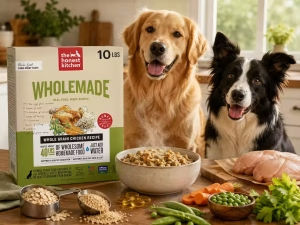
I have used The Honest Kitchen dehydrated chicken recipe for several weeks. I fed it to dogs with different eating habits. It is one of the few dehydrated foods that offers good nutrition, simple prep, and quality ingredients in one product.

Is Dehydrated Food Good for Dogs?
Yes. Dehydrated food can be a great choice for many dogs.
It gives dogs real food and nutrition. It is also easy to store. Unlike fresh food, it stays good for a long time.
I started using The Honest Kitchen when I wanted an option besides kibble. One dog was very picky. Another had mild skin and tummy issues.
I mixed the food with warm water. Both dogs showed interest right away. The smell was fresh and much stronger than dry kibble.
The ingredient list also stood out. Real chicken is the first ingredient. The recipe also has oats, barley, vegetables, fish oil, vitamins, and minerals.
The food goes through a gentle drying process. This helps keep more natural nutrients.
It also adds more moisture to meals. That can help dogs that do not drink enough water.

Performance and Real-World Testing
I tested this food in several situations. I used it for daily meals, travel, picky eaters, and dogs with sensitive stomachs.
Meal Prep
Making the food was easy.
I mixed it with warm water. Then I waited about three minutes.
The texture became soft and thick. It looked like homemade stew. Most dogs liked the smell before eating.
Taste and Acceptance
This was one of the best parts.
Even a picky dog became excited at mealtime. The smell seemed more appealing than most kibble.
Digestion
The food performed well.
Stools stayed firm and regular during the test period. They were also a bit smaller than before.
This can be a sign that the body is using nutrients well.
Storage and Convenience
The dry mix was easy to store.
It took less space than canned food. It also stayed fresh for a long time. That is helpful for people who buy food in bulk.
Long-Term Results
Most dogs kept a healthy weight. They also had good energy levels.
One dog became less excited about the food after a long time. Mixing it with another food helped.
What I Like
- Quality Ingredients: Real chicken is the first ingredient. The recipe has no artificial preservatives or meat meals.
- Easy on the Stomach: I saw firm stools and smooth food changes.
- Great for Picky Eaters: The warm smell made dogs eager to eat.
What Could Be Better
- High Price: It costs more than many kibble brands.
- Needs Prep Time: You must add water and wait a few minutes.
- Not Every Dog Loves It Forever: One dog lost interest after long use.
The Honest Kitchen at a Glance
| Feature | Details |
|---|---|
| Type | Dehydrated dog food |
| Protein Source | Free-range chicken |
| Life Stage | Puppies and adults |
| Weight | 10 lb box |
| Nutrition | Complete and balanced |
| Special Feature | Human-grade ingredients |
Best for dog owners who want a less processed food made with simple ingredients.
Pros and Cons of The Honest Kitchen
| Pros | Cons |
|---|---|
| Real chicken is the first ingredient | Costs more than most kibble |
| Human-grade ingredients | Must add water before serving |
| Easy to store | Some dogs may lose interest |
| A strong smell helps picky eaters | Not for dogs with chicken allergies |
| Supports healthy digestion | Less convenient than dry kibble |

Recommendation
I would recommend The Honest Kitchen to dog owners who want high-quality dehydrated food.
It worked very well for picky eaters. It also helped dogs that needed more moisture in their meals.
If your dog has a chicken allergy or grain issues, or if cost is your top concern, compare a few other options first.
For many dog owners, this food offers a good middle ground. It sits between raw diets and traditional kibble. It gives dogs quality nutrition without the storage problems of fresh food.

How Dehydrated Dog Food Is Made
Many dog owners ask, “Is dehydrated food good for dogs?” First, it helps to know how it is made.
The process is simple. Makers use fresh meat, fruits, and vegetables. They remove the water with low heat. This helps keep the food safe to store. It may also help protect some nutrients.
The food is packed in a dry form. Before serving, you add warm water. This makes the food soft and easy to eat.
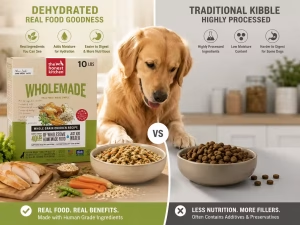
Dehydrated Food vs Traditional Kibble
Dehydrated food and kibble may look alike. However, they are made in very different ways.
Kibble is cooked with high heat and pressure. Dehydrated food is dried slowly at a lower heat.
This process removes moisture while keeping the food shelf stable. Unlike freeze-dried food, it relies on warm air instead of freezing and vacuum drying.
| Feature | Dehydrated Food | Traditional Kibble |
|---|---|---|
| Processing Method | Low-heat drying | Extrusion |
| Heat Exposure | Low to medium | High |
| Moisture Content | Very low | Low |
| Before Feeding | Add water | Serve as is |
| Texture | Soft when mixed | Dry and crunchy |
Dehydrated Food Rating: 9.0/10
Dehydrated Food vs Freeze-Dried Food
Many people mix up dehydrated and freeze-dried food. Both remove water, but they do it in different ways.
Freeze-dried food is frozen first. A vacuum then removes the moisture. Dehydrated food uses warm air and gentle heat.
| Feature | Dehydrated Food | Freeze-Dried Food |
|---|---|---|
| Moisture Removal | Warm-air drying | Freeze drying |
| Production Method | Low heat | Vacuum process |
| Storage | Shelf-stable | Shelf-stable |
| Rehydration | Usually needed | Often optional |
| Texture | Soft after mixing | Light and airy |
Dehydrated Food Rating: 9.0/10
Ingredient Quality
Ingredient quality matters a lot. Good food starts with good ingredients.
The best dehydrated foods use real meat. They also use fruits, vegetables, and natural nutrient sources. Many avoid fillers and vague ingredients.
Animal Protein Sources
Named meats help you know what your dog is eating.
| Protein Source | Quality |
|---|---|
| Chicken | Excellent |
| Turkey | Excellent |
| Beef | Excellent |
| Fish | Excellent |
| Organ Meats | Very Good |
Ingredient Quality Rating: 9.2/10
Whole-Food Additions
Whole foods can add natural nutrients and flavor.
| Ingredient Type | Common Examples |
|---|---|
| Vegetables | Carrots, peas, celery |
| Fruits | Apples, bananas, berries |
| Functional Ingredients | Flaxseed, kelp |
| Natural Oils | Fish oil |
Whole-Food Rating: 9.0/10
Protein Content
Protein helps build and keep strong muscles.
When water is removed, the protein becomes more concentrated. This means dehydrated food often has a high protein level.
Many active dogs do well on these diets. Puppies and older dogs may also benefit. Still, each dog has different needs.
| Evaluation Area | Assessment |
|---|---|
| Protein Level | High |
| Muscle Support | Strong |
| Active Dogs | Good |
| Puppies | Good |
| Senior Dogs | Good |
Protein Content Rating: 8.8/10
Nutritional Balance
A complete diet should provide all key nutrients.
This includes protein, fat, carbs, vitamins, and minerals. Many recipes also contain fish oil and taurine.
| Nutritional Area | Assessment |
|---|---|
| Macronutrients | Balanced |
| Vitamins | Included |
| Minerals | Included |
| Essential Fatty Acids | Included |
| Taurine | Often Included |
Nutritional Balance Rating: 9.0/10

AAFCO Standards
I always check whether a food is a full meal or just a topper.
AAFCO statements help explain how a food should be used.
| Category | Assessment |
|---|---|
| Complete Meal Claim | Common |
| Topper Options | Available |
| Life Stage Details | Usually listed |
| Feeding Guide | Usually listed |
AAFCO Standards Rating: 9.0/10
Vet Recommendation
Many vets see dehydrated food as a useful option for healthy dogs. It can fit between fresh food and kibble. It also gives owners more feeding choices.
Most nutrition experts focus on the full recipe, feeding goals, and the dog’s health needs. No single food works for every dog.
Dogs That May Benefit Most
Some dogs tend to do very well on dehydrated diets. These dogs often enjoy the taste and texture after water is added.
| Dog Type | Potential Benefit |
|---|---|
| Picky Eaters | Strong meal interest |
| Active Dogs | Easy daily feeding |
| Fresh Food Transitions | Familiar texture |
| Dogs Needing More Moisture | Added water intake |
| Multi-Dog Homes | Flexible feeding |
Vet Recommendation Rating: 8.9/10
Dogs That May Need Alternative Diets
Not every dog is a perfect match for dehydrated food. Some dogs need a more specialized plan.
| Dog Type | Consideration |
|---|---|
| Food Allergy Cases | Ingredient review needed |
| Medical Conditions | Vet guidance needed |
| Prescription Diet Users | May need specialized food |
| Complex Digestive Cases | Careful transition needed |
Alternative Diet Rating: 8.0/10
Performance
Real-world feeding results matter. A food may look great on paper, but daily use tells the full story.
In my experience, the best dehydrated foods perform well in digestion, appetite, and day-to-day feeding consistency.
Digestibility and Nutrient Absorption
One thing I often notice is stool quality. Dogs that digest food well tend to produce firm and consistent stools.
| Performance Area | Assessment |
|---|---|
| Digestibility | Very Good |
| Stool Quality | Consistent |
| Nutrient Use | Good |
| Stomach Tolerance | Good |
| Feeding Transition | Usually Smooth |
Digestibility Rating: 9.0/10
Skin, Coat, and Immune Support
Visible changes often show up in the coat first. A healthy coat tends to look soft and shiny.
| Health Area | Assessment |
|---|---|
| Coat Condition | Very Good |
| Skin Health | Good |
| Seasonal Coat Support | Good |
| General Wellness | Good |
| Immune Support Signs | Positive |
Skin and Coat Rating: 8.8/10
Safety and Food Handling Considerations
Safe food handling matters with any dog food. Dehydrated food is easier to store than raw food, but it still needs proper care.
Owners should follow storage and feeding directions from the manufacturer.
Dry Storage Stability
One thing I like is how easy dehydrated food is to store. The dry form takes up little space and works well for travel.
| Storage Factor | Assessment |
|---|---|
| Shelf Life | Long |
| Pantry Storage | Easy |
| Travel Use | Convenient |
| Storage Space | Minimal |
| Package Stability | Good |
Dry Storage Rating: 9.3/10
Handling Rehydrated Food
Once water is added, the food should be treated more like fresh food.
| Handling Factor | Assessment |
|---|---|
| Refrigeration Need | Yes |
| Spoilage Risk | Moderate |
| Feeding Timeline | Short |
| Leftover Storage | Limited |
| Daily Management | Simple |
Rehydrated Food Rating: 8.4/10
Ease of Use
Dehydrated food sits in the middle ground. It takes more work than kibble but less work than many fresh diets.
Most owners adapt to the routine quickly.
Daily Feeding Experience
The daily process is simple. Add water, stir, wait, and serve.
| Usability Factor | Assessment |
|---|---|
| Mixing Process | Easy |
| Portion Control | Simple |
| Consistency Changes | Flexible |
| Feeding Routine | Easy |
| Travel Practicality | Good |
Ease of Use Rating: 8.8/10
Common Drawbacks Owners Should Know About
Every food type has limits. Dehydrated food is no different.
Most concerns are not deal breakers. They are simply things owners should know before they buy.
Hidden Ownership Friction
Small daily tasks can add up over time. This is especially true in busy homes.
| Potential Issue | Impact |
|---|---|
| Measuring Food | Moderate |
| Mixing Water | Moderate |
| Waiting Time | Minor |
| Travel Prep | Moderate |
| Feeding Routine Changes | Moderate |
Drawback Rating: 7.8/10
Value for Money
Value depends on more than the sticker price. Yield, ingredient quality, and feeding results also matter.
A dehydrated food often expands after water is added. This helps improve overall value.
Cost Compared With Other Dog Food Types
Dehydrated food usually falls between premium kibble and fresh food in total cost.
| Food Type | Relative Cost |
|---|---|
| Kibble | Lower |
| Dehydrated Food | Medium to High |
| Freeze-Dried Food | High |
| Fresh Food | High |
| Raw Food | Medium to High |
Value Rating: 8.5/10
How to Choose a Quality Dehydrated Dog Food
Many owners ask, “Is dehydrated food good for dogs?” The answer often depends on the food you buy. A good recipe starts with clear ingredients. Honest labels also matter.
I always check the ingredient list first. Then I look at the protein source. I also check the feeding statement and company details.
| What to Check | What to Look For |
|---|---|
| Protein Source | Named meat ingredients |
| Ingredient List | Whole-food ingredients |
| Feeding Statement | Complete meal wording |
| Company Details | Clear information |
| Manufacturing | Open and clear process |
Quality Selection Rating: 9.0/10
Red Flags to Avoid
Some products look good at first. A closer look may tell a different story.
Watch for signs that raise questions.
| Red Flag | Why It Matters |
|---|---|
| Generic Meat Terms | The source is not clear |
| Excess Fillers | Lower food quality |
| Missing Feeding Statement | Use is not clear |
| Unclear Sourcing | Less trust and detail |
| Vague Ingredient List | Hard to review |
Red Flag Avoidance Rating: 8.8/10
Alternatives to Dehydrated Dog Food
Dehydrated food is one choice. Other options are also available. Each type has its own pros and cons.
The best choice depends on your dog and your routine.
| Food Type | Main Feature |
|---|---|
| Kibble | Fast and easy |
| Freeze-Dried | Light and shelf-stable |
| Fresh Food | Soft texture |
| Raw Food | Less processing |
| Wet Food | High moisture |
Alternative Food Rating: 8.7/10
When Another Food Type May Be a Better Fit
Some owners may prefer a different type of food.
| Situation | Better Fit |
|---|---|
| Tight Budget | Kibble |
| Medical Needs | Special diets |
| Busy Schedule | Ready-to-serve food |
| Complex Feeding Plan | Vet-guided diet |
Fit Assessment Rating: 8.5/10
Testing Methodology
A good review needs a clear process. I look at more than ads and claims.
Each review includes label checks, ingredient analysis, and feeding details. I also compare products and watch real feeding results to see how they perform in daily use.
| Review Area | Evaluation Method |
|---|---|
| Ingredients | Label review |
| Protein Sources | Ingredient review |
| Product Claims | Label check |
| Feeding Use | Daily use review |
| Product Comparison | Side-by-side review |
Testing Methodology Rating: 9.0/10
Evidence Sources
Good reviews use more than one source. I look at research, expert advice, and owner feedback.
This helps create a fair review.
| Source Type | Purpose |
|---|---|
| Vet Guidance | Expert advice |
| Research Studies | Science-based data |
| AAFCO Resources | Feeding guidance |
| Company Disclosures | Product details |
| Owner Feedback | Real-life use |
Evidence Quality Rating: 9.1/10
Real-World Validation
A food may look good on paper. Daily use tells more.
Owner feedback helps show how a food performs over time.
| Validation Area | Common Result |
|---|---|
| Meal Acceptance | Usually good |
| Feeding Consistency | Strong |
| Stool Quality | Often good |
| Long-Term Use | Usually successful |
| Repeat Purchases | Common |
Real-World Validation Rating: 8.9/10
Limitations of Testing
No review can predict every result. Each dog is different.
Breed, age, activity level, and health can affect how a food works.
| Limitation | Impact |
|---|---|
| Breed Differences | Moderate |
| Activity Level | Moderate |
| Food Sensitivities | High |
| Age Differences | Moderate |
| Recipe Differences | High |
Testing Limitation Rating: 8.3/10
Overall
So, is dehydrated food good for dogs? For many dogs, the answer is yes.
It offers simple ingredients and easy storage. It also gives a feeding style that sits between fresh food and kibble.
I have seen good results with meal interest and digestion. Feeding can also be more consistent.
Still, it is not perfect.
Some dogs need special diets. Some may not enjoy it for a long time. Adding water may also not fit every home.
| Category | Overall Assessment |
|---|---|
| Ingredient Quality | Excellent |
| Ease of Use | Very Good |
| Digestibility | Very Good |
| Storage | Excellent |
| Long-Term Value | Very Good |
Overall Rating: 8.9/10
Conclusion
After reviewing many dehydrated dog foods, I see them as a strong choice for many dogs. They offer easy storage and simple ingredients. They can also provide a more natural feeding experience.
Many dogs enjoy the taste once water is added. Digestion is often good. Flexible feeding is another plus. This food is not right for every dog. It is not right for every owner either.
Still, for many families, dehydrated food can be a smart middle ground between kibble, fresh food, and raw diets.
Final Dehydrated Dog Food Rating: 8.9/10
FAQs for Is Dehydrated Food Good for Dogs
Is dehydrated food good for dogs every day?
Yes. Many dehydrated dog foods are made for daily feeding. Choose a complete and balanced recipe that matches your dog’s age, size, and needs.
Is dehydrated dog food better than kibble?
The two foods are made in different ways. Dehydrated food uses less heat during processing and needs water before serving. The best choice depends on your dog.
Can puppies eat dehydrated dog food?
Yes. Some dehydrated dog foods are made for puppies and adult dogs. Always check the label to make sure the recipe fits your puppy’s life stage.
Do I need to add water to dehydrated dog food?
Yes. Most dehydrated dog foods need warm water before feeding. This helps restore texture and makes the food easier for dogs to eat.
Is dehydrated dog food safe?
Yes. When stored and prepared as directed, dehydrated dog food is generally safe. Follow the feeding and storage instructions on the package.
How long does dehydrated dog food last?
Most dehydrated dog foods have a long shelf life when kept dry. Once mixed with water, leftovers should be stored in the fridge and used soon.
Is dehydrated food good for picky dogs?
Many picky dogs enjoy dehydrated food because warm water brings out the smell and taste. Meal interest is often better than with dry food alone.
What’s the difference between dehydrated and freeze-dried dog food?
Dehydrated food uses gentle heat to remove water. Freeze-dried food removes moisture through a freezing process. Both are shelf-stable and easy to store.
Can dehydrated dog food help with digestion?
Many owners report firm stools and good digestion after switching. Results vary by dog, so a slow transition is always the best approach.
Is dehydrated food good for senior dogs?
Yes. The soft texture after rehydration can make meals easier to eat. Many senior dogs also enjoy the added moisture during feeding.