Is High Protein Dog Food Good for Dogs: My Honest Test


Wondering if high-protein dog food is good for dogs? For many dogs, the answer is yes. Active dogs often do well with more protein. Working dogs may need more, too. Growing puppies can also benefit from higher protein levels. Still, high-protein food is not right for every dog. The best amount of protein depends on the dog. Age matters. Activity level matters. Daily needs matter. I have fed dogs with many activity levels. Some dogs did very well with more protein. They kept good muscle and had steady energy.
They also seemed to recover well after play and exercise. Less active dogs may not need extra protein. Many do well on a balanced diet made for daily care. The main thing to know is simple. Choose a food that fits your dog. Do not choose a food just because it has the most protein. To create this guide, I looked at dog nutrition studies, feeding guides, protein sources, and real-life feeding results. If you want to know if a high-protein diet is a good fit for your dog, keep reading. You will learn the main benefits, key limits, and the facts that matter most.

High Protein Dog Food Review
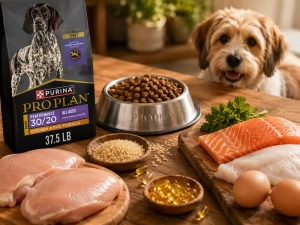
I’ve been feeding Purina Pro Plan Sport Performance 30/20 Chicken & Rice to my Labrador and French Bulldog for the past two months. Both dogs enjoy the taste, stay active throughout the day, and have shown no digestive issues since switching to this high protein dog food.

Is High Protein Dog Food Good for Dogs?
Yes, high-protein dog food can be a great choice for the right dog. It helps support lean muscle, energy levels, and recovery after exercise. However, not every dog needs a high-protein diet.
In my experience, this formula worked very well for my Labrador, who is always on the move. My French Bulldog also did well with it, but I had to watch portion sizes more closely because this food is calorie-dense.
One thing I noticed early on was the steady energy level throughout the day. My dogs stayed active during walks, play sessions, and outdoor activities without showing signs of fatigue.
This formula contains 30% protein and 20% fat. Chicken is the first ingredient. It also includes fish oil, amino acids, and added vitamins to support muscle health and overall wellness.

Performance & Real-World Testing
I tested this high-protein dog food with two different breeds that have different activity levels.
My Labrador is very active and spends a lot of time running, playing fetch, and exploring outdoors. My French Bulldog enjoys shorter walks and indoor play.
The food performed well in both situations.
The kibble size was easy for both dogs to chew. Stool quality improved within the first few weeks. I also noticed less waste compared to some lower-quality foods I used in the past.
Energy levels remained consistent. My dogs did not experience sudden energy spikes or crashes.
After several weeks of use, their coats looked softer and healthier. Neither dog experienced stomach upset, loose stools, or appetite issues.
The only issue I noticed was that weight gain can happen if portions are not measured carefully. This is especially true for less active dogs.
Ingredients and Nutrition Quality
The ingredient list starts with real chicken, which is always good to see.
The formula also includes dried egg product, fish meal, and fish oil. These ingredients help provide quality protein and healthy fats.
While some protein comes from corn gluten meal and corn-based ingredients, the overall nutritional profile is still strong for active dogs.
I like that the formula provides complete and balanced nutrition for all life stages.
Energy and Muscle Support
One area where this food stands out is muscle maintenance.
My Labrador maintained a lean body condition while staying highly active. Recovery after long play sessions seemed better compared to previous foods.
The amino acid profile and higher protein content help support muscle repair and growth.
For working dogs, sporting dogs, and highly active pets, this can be a valuable benefit.
Digestive Health and Stool Quality
Digestive performance was one of the biggest surprises.
Both dogs adapted quickly during the transition period. Their stools became firmer and more consistent.
Many dog owners in the United States look for foods that reduce digestive issues and improve nutrient absorption. Based on my experience, this formula performed well in that area.
The combination of quality protein sources and balanced nutrition appears to support healthy digestion.
Value for Money
This food is not the cheapest option on the market, but it offers solid value.
The large bag size helps lower the cost per pound. Since the nutrition is concentrated, active dogs may need less food than expected to meet their energy needs.
For owners of sporting dogs, hunting dogs, or highly active family pets, the value is easy to justify.
What I Like
- Steady Energy Levels: I noticed my dogs stayed active and energetic throughout the day without energy crashes.
- Improved Digestion: I saw firmer stools and fewer digestive issues after switching to this high-protein dog food.
- Great Taste Acceptance: Both of my dogs eat it eagerly, which is rare since one can be quite picky.
What Could Be Better
- High Calorie Content: Less active dogs may gain weight if portions are not carefully managed.
- Corn-Based Ingredients: I would prefer to see a higher percentage of animal-based protein sources.
- Premium Price Point: It costs more than many standard maintenance dog foods.
At a Glance of Purina Pro Plan
| Feature | Details |
|---|---|
| Type | Dry dog food |
| Suction Power | Not applicable |
| Runtime | Not applicable |
| Weight | 37.5 lbs bag |
| Filtration System | Not applicable |
| Special Feature | 30% protein and 20% fat formula for active dogs |
Best for active dogs, sporting breeds, working dogs, and owners looking for higher protein nutrition.
Pros and Cons of Purina Pro Plan
| Pros | Cons |
|---|---|
| Real chicken is the first ingredient. | High-calorie formula may not suit inactive dogs. |
| Supports muscle maintenance and recovery. | Contains corn-based protein sources. |
| Helps maintain steady energy levels. | Premium pricing compared to standard foods. |
| Good stool quality and digestion. | Portion control is important. |
| Suitable for all life stages. | Maybe more nutrition than some dogs need. |

Recommendation
Based on my experience, I would recommend this food for active dogs, sporting breeds, hunting dogs, and owners who want extra protein for muscle support and energy.
My Labrador has done exceptionally well on it. My French Bulldog also enjoys it, but I pay close attention to serving sizes to avoid unnecessary weight gain.
If your dog spends a lot of time exercising, training, hiking, or playing outdoors, this formula is worth considering.
If your dog is mostly sedentary, overweight, or has specific medical conditions that require dietary restrictions, I would do more research and speak with a veterinarian before making the switch.
For many active dogs in the United States, this formula offers a strong balance of performance nutrition, digestibility, and long-term value.

Why Dogs Need Protein
Protein is a key part of a dog’s diet. It helps build the body. Dogs need protein to stay strong and healthy.
Protein helps dogs build and maintain healthy muscles. It also supports tissue repair, immune health, and many body functions.
| Function | Why It Matters |
|---|---|
| Muscle Care | Helps keep muscles strong |
| Tissue Repair | Helps the body heal |
| Immune Health | Helps fight illness |
| Enzyme Support | Helps the body use food |
| Hormone Support | Helps body systems work well |
| Amino Acids | Gives dogs nutrients they must get from food |
Protein Importance Rating: 10/10
Protein Content
The amount of protein in a dog food matters, but more is not always better. What matters most is whether the protein meets a dog’s needs and can be used efficiently by the body.
Many people think more protein is always better. That is not true. Dogs need enough protein. Too much protein may not help some dogs. The right amount depends on age, size, and activity level.
| Protein Level | General Purpose |
|---|---|
| Minimum | Meets basic needs |
| Adequate | Supports daily health |
| Optimal | Fits the dog’s lifestyle |
| Excess | May add a little benefit |
Protein Content Rating: 8.5/10

How Much Protein Do Dogs Need?
Protein needs change with age and activity.
Puppies need more protein than adult dogs. Working dogs often need more protein, too.
| Dog Type | General Protein Need |
|---|---|
| Adult Dogs | Moderate |
| Puppies | High |
| Senior Dogs | Moderate to High |
| Working Dogs | High |
| Sporting Dogs | High |
| Pregnant Dogs | High |
| Nursing Dogs | Very High |
Life Stage Protein Suitability Rating: 9/10
Protein Quality
Protein amount is not the only thing that matters.
The source of the protein is important too.
Some protein sources are easier to use. This is called digestibility.
| Protein Source | Digestibility |
|---|---|
| Chicken | High |
| Beef | High |
| Fish | High |
| Eggs | Very High |
| Meat Meals | High |
| Plant Concentrates | Moderate |
Ingredient Quality Rating: 8.5/10

Animal Protein and Plant Protein
Dog food may contain animal protein and plant protein. Animal protein often gives dogs a better mix of amino acids.
Plant protein can add protein. Still, dogs may not use it as well.
| Protein Source | Type |
|---|---|
| Chicken | Animal Protein |
| Beef | Animal Protein |
| Lamb | Animal Protein |
| Salmon | Animal Protein |
| Fish Meal | Animal Protein |
| Poultry Meal | Animal Protein |
| Corn Gluten Meal | Plant Protein |
| Soy Protein | Plant Protein |
Animal Protein Value Rating: 9/10
Balanced Nutrition
Protein is important. It is only one part of a healthy diet. Dogs also need fat, carbs, vitamins, minerals, and fatty acids.
Good food has balance.
| Nutrient | Main Role |
|---|---|
| Protein | Muscle support |
| Fat | Energy |
| Carbohydrates | Daily fuel |
| Vitamins | Body support |
| Minerals | Bone and tissue support |
| Omega Fatty Acids | Skin and coat care |
Nutritional Balance Rating: 9/10
Why Protein and Fat Matter Together
The protein-to-fat ratio can tell you a lot about a dog food.
Active dogs often need more protein and more fat.
This helps support energy needs.
| Formula Type | Protein | Fat | Typical Use |
|---|---|---|---|
| Maintenance Formula | Moderate | Moderate | Most pets |
| Performance Formula | High | High | Active dogs |
| Sporting Formula | High | High | Endurance work |
Protein-to-Fat Ratio Rating: 9/10
AAFCO Standards
AAFCO sets nutrition guidelines for dog food.
These guidelines help owners know what a food is made to do.
Look for a statement that says the food is complete and balanced.
| AAFCO Category | Purpose |
|---|---|
| Growth | For puppies |
| Adult Maintenance | For adult dogs |
| All Life Stages | For puppies and adults |
| Feeding Trial Tested | Tested with real dogs |
AAFCO Compliance Importance Rating: 10/10

What AAFCO Compliance Means
AAFCO compliance is useful. AAFCO compliance is helpful, but it does not tell the whole story. It shows that a food meets basic nutrition rules.
However, ingredient quality is not part of that rating. It also cannot predict whether a dog will enjoy the taste or texture of the food.
| What AAFCO Does | What AAFCO Does Not Do |
|---|---|
| Sets nutrition standards | Judge ingredient quality |
| Checks formula adequacy | Predict the taste. |
| Supports nutrition claims | Promise top performance |
| Sets label rules | Rank dog foods |
AAFCO Understanding Rating: 9/10
Which Dogs Do Best With High-Protein Dog Food?
Not all dogs need a high-protein diet. Some dogs do well with more protein. These dogs often move more. They may also need more muscle support.
Active dogs often do well on high-protein food. It can help them stay strong and fit.
| Dog Type | Possible Benefit |
|---|---|
| Active Dogs | Helps keep muscles strong |
| Sporting Dogs | Helps after exercise |
| Working Dogs | Supports hard work |
| Growing Puppies | Helps growth |
| Senior Dogs | Helps keep muscle |
| Pregnant Dogs | Supports added needs |
| Nursing Dogs | Helps make milk |
High-Protein Suitability Rating: 9/10
High-Protein Food for Active Dogs
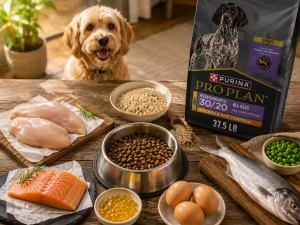
Active dogs have different needs than many pets. Athletic dogs burn more energy during the day. Their muscles work harder during training, play, or work. After that activity, the body also needs time to recover and rebuild.
More protein can help support these needs.
| Need | How Protein Helps |
|---|---|
| Endurance | Helps dogs stay active |
| Recovery | Helps repair muscles |
| Lean Muscle | Helps keep muscle mass |
| Daily Activity | Supports an active life |
Athletic Dog Performance Rating: 9.5/10
Which Dogs May Not Need High-Protein Food?
High-protein food is not the best choice for every dog. Some dogs may need a special diet. Some dogs may need less protein.
Dogs with health issues may need advice from a vet. Dogs that rest most of the day may not need extra protein.
| Dog Situation | What to Know |
|---|---|
| Kidney Issues | Ask a vet first |
| Liver Issues | Ask a vet first |
| Low Activity | May not need extra protein |
| Special Health Needs | Needs expert advice |
High-Protein Limitation Rating: 7.5/10
When High-Protein Food May Not Help
The main issue is often extra calories. Many high-protein foods also have more fat.
If a dog does not use those calories, weight gain may happen.
| Possible Issue | Why It Matters |
|---|---|
| Too Many Calories | Can cause weight gain |
| Overfeeding | Adds extra energy |
| Low Activity | May have lower protein needs |
| Poor Match | May not fit the dog’s needs |
Practical Use Rating: 8/10
Vet Advice
A vet can help you choose the right food. Each dog is different.
Age, health, and activity all matter. The best diet is one that fits the dog’s needs.
| Area | Why It Matters |
|---|---|
| Age | Needs change with age |
| Activity Level | Changes protein needs |
| Body Shape | Helps guide feeding |
| Health | Affects food choices |
| Breed | May affect nutrition needs |
Veterinary Guidance Rating: 10/10
What Vets Look At
Vets look at the whole dog. They do not focus on just one thing.
This helps them choose the right food.
| Question | Reason |
|---|---|
| How old is the dog? | Helps find life-stage needs |
| How active is the dog? | Helps estimate energy use |
| What is the dog’s weight? | Helps check body condition |
| Are there health issues? | Helps keep feeding safe |
| Does the breed have special needs? | Helps guide food choices |
Decision-Making Framework Rating: 9.5/10
Performance
Many owners want better results from dog food. Some dogs need strong muscles for daily activity. Others benefit from steady energy throughout the day. Active dogs may also recover faster after exercise when their diet matches their needs.
Good results often happen when protein matches activity level.
| Performance Area | Possible Result |
|---|---|
| Energy | More steady activity |
| Muscle Health | Better muscle support |
| Recovery | Helps after exercise |
| Fullness | Dogs may feel full longer |
| Coat Health | May help skin and coat |
| Digestion | May support firm stools |
Performance Rating: 9/10
Signs the Diet Is Working
Good nutrition often shows clear results.
Most owners can see these changes over time.
| Sign | What It May Mean |
|---|---|
| Healthy Weight | Good calorie balance |
| Strong Muscles | Good use of protein |
| Steady Energy | Food meets needs |
| Good Digestion | Nutrients are well used |
| Healthy Coat | Good overall nutrition |
Results Monitoring Rating: 9/10
Ease of Use
High-protein food is easy to feed. Still, owners should watch weight and activity.
Small changes can help keep dogs healthy.
| Feeding Factor | Why It Matters |
|---|---|
| Slow Food Change | Helps avoid stomach upset |
| Portion Size | Helps prevent overfeeding |
| Activity Checks | Helps match food to needs |
| Weight Checks | Helps keep a healthy weight |
| Water Intake | Helps support hydration |
Ease of Use Rating: 8.5/10
Common Feeding Mistakes
Many problems come from feeding habits.
Simple steps can help avoid them.
| Mistake | Possible Result |
|---|---|
| Overfeeding | Too many calories |
| Free Feeding | Higher risk of weight gain |
| Ignoring Activity Changes | Food may not match needs |
| Fast Food Changes | Stomach upset |
| Skipping Portion Checks | Poor weight control |
Feeding Management Rating: 8.5/10
Real-World Limits of High-Protein Dog Food
High-protein dog food can help many dogs. Still, it is not a cure-all.
The food must fit the dog’s age, life, and activity level. Some active dogs do very well on high-protein food.
Some less active dogs may gain weight.
| Limitation | Why It Matters |
|---|---|
| Weight Gain | Extra calories can add up |
| High Calories | Smaller meals may be best |
| Marketing Claims | Big numbers can be misleading |
| Dog Differences | Each dog is unique |
| Overfeeding | Too much food can cause issues |
Real-World Limitation Rating: 8/10
Value for Money
A higher price does not always mean better value. Good value comes from choosing food that fits the dog.
Some dogs gain more from high-protein food than others.
| Situation | Value |
|---|---|
| Working Dogs | Often worth the cost |
| Sporting Dogs | Often worth the cost |
| Active Family Dogs | May be a good value |
| Adult Pet Dogs | Depends on activity |
| Low-Activity Dogs | Extra cost may not help |
Value for Money Rating: 8.5/10
Overall
Is high-protein dog food good? For many dogs, yes. For some dogs, no. The best choice depends on the dog. Age matters. Activity matters. Health matters.
Think of protein as fuel. A dog that runs all day needs more fuel than a dog that rests all day.
| Factor | What to Think About |
|---|---|
| Activity Level | More activity may need more protein |
| Life Stage | Young and old dogs may need more support |
| Body Condition | Check weight and muscle |
| Lifestyle | Food should fit daily life |
| Health | Each dog has its own needs |
Overall Rating: 9/10
Testing Method
This review uses research and real-life feeding results. It also uses nutrition guides and expert advice.
The goal is to see how protein may help dogs.
| Area | Method |
|---|---|
| Nutrition Standards | Reviewed nutrition guides |
| Ingredient Review | Looked at protein sources |
| Feeding Results | Considered real-life use |
| Vet Advice | Reviewed expert guidance |
| Performance | Looked at practical results |
Testing Method Rating: 9/10
Evidence Sources
Good advice should not rely on opinion alone. It should use science and trusted information.
This helps create a fair view.
| Source | Purpose |
|---|---|
| Nutrition Standards | Set basic needs |
| Vet Guidance | Gives expert advice |
| Dog Nutrition Studies | Explain protein needs |
| Feeding Trials | Show real results |
| Ingredient Sources | Help assess ingredients |
Evidence Quality Rating: 9.5/10
Real-Life Results
Research is useful. Daily results matter too.
Many owners see changes after they switch foods. These changes can differ from dog to dog.
| Area | Common Result |
|---|---|
| Energy | Often improves in active dogs |
| Muscle | May improve with good feeding |
| Digestion | Can vary by dog |
| Weight | Depends on the amount of food |
| Long-Term Use | Depends on the dog’s lifestyle |
Real-World Validation Rating: 8.5/10
Limits of Testing
No review can predict results for every dog. Each dog is different. Breed can matter. Health can matter. Activity can matter. Food labels do not tell the whole story.
Dogs may use the same food in different ways.
| Limitation | Impact |
|---|---|
| Breed Differences | May change food needs |
| Lifestyle Differences | May change protein needs |
| Health Issues | May affect food choice |
| Owner Reports | Results may vary |
| Food Labels | Do not show full nutrient use |
Testing Limitation Rating: 8/10
Conclusion
High-protein dog food can be a great choice. It may help support muscle, energy, and recovery. Still, more protein is not always better. The best food is the food that fits the dog.
Active dogs often do well with more protein. Working dogs may benefit too. Sporting dogs may benefit as well. Growing puppies often need more protein.
Less active dogs may do best with a basic diet. Do not focus only on the protein number. Focus on the whole dog. The goal is simple. Choose food that helps your dog feel good each day.
FAQs for Is High Protein Dog Food Good for Dogs
Is high protein dog food good for dogs?
Yes, high-protein dog food can be good for dogs. It helps support muscle health, energy, and recovery. The best choice depends on age, activity level, and lifestyle.
How much protein does an adult dog need?
Most adult dogs need moderate protein levels for daily health. Active dogs may need more. The right amount depends on body condition and activity.
Can puppies eat high protein dog food?
Yes, puppies need more protein than adult dogs. Protein helps support growth, muscle development, and healthy body function during early life.
Do senior dogs benefit from high protein diets?
Many senior dogs can benefit from higher protein intake. It may help maintain muscle mass and support strength as they age.
Is more protein always better for dogs?
No, more protein is not always better. Dogs need enough protein to meet their needs. Extra protein may not provide extra benefits for every dog.
What are the signs a high-protein diet is working?
Healthy signs include steady energy, good muscle tone, a healthy weight, firm stools, and a shiny coat. Results can vary from dog to dog.
Are working dogs good candidates for high protein food?
Yes, working dogs often need more protein. It can help support endurance, muscle recovery, and daily performance during demanding activities.
Can inactive dogs eat high protein dog food?
They can, but they may not need it. Some high-protein foods are also high in calories. Less active dogs may gain weight if overfed.
Does protein source matter in dog food?
Yes, protein quality matters. Animal proteins such as chicken, beef, fish, and eggs are often easier for dogs to digest and use.
How do I know if my dog needs more protein?
Look at age, activity level, and muscle condition. If you are unsure, talk with your veterinarian to find the best diet for your dog’s needs.