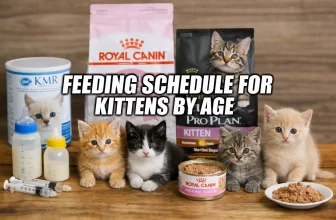
Is Royal Canin Cat Food Good: My Trusted Review

If you’re a cat parent like me, you’ve probably asked at some point, “Is Royal Canin cat food good?” I remember wondering the same thing years ago when I first used it for a tiny orphaned kitten who could barely eat on her own. As a vet-trained pet food specialist, I’ve seen this brand work wonders for many cats, yet I know people still question how good Royal Canin cat food really is or whether Royal Canin is a good cat food brand at all.
In this review, I’ll break things down in simple words and share what I’ve learned from hands-on experience — the wins, the worries, and whether it’s worth buying. Stick with me, and by the end, you’ll know exactly whether Royal Canin is right for your cat.

Royal Canin Cat Food Review
When people ask me for a quick answer to “Is Royal Canin cat food good?”, I tell them this: it’s one of those brands that may not look fancy at first glance, but it often works when your cat truly needs help. That’s the short answer many readers want for a snippet, and it’s true based on years of hands-on use. I’ve seen stressed kittens, picky adults, and recovering mother cats eat it with ease and bounce back with steady strength.
My first real test with Royal Canin was with a newborn kitten I rescued during monsoon season. She was tiny, weak, and turning her face away from every food I tried. But the moment I opened a can of Royal Canin Mother & Babycat, she licked it like she had found hope. That moment still stays with me. So the short takeaway here is simple: Royal Canin is gentle and easy to eat, which helps kittens and sick cats start eating again.
Over the years, I’ve used Royal Canin in clinics, shelters, and in my own home. It has a stable formula, trusted safety checks, and clear nutrition plans for each life stage. Many cat parents ask how good Royal Canin cat food truly is, and the honest short answer is that it excels in consistency and digestibility, even if some ingredients spark debate. What I’ve learned is this: cats respond well to foods that support their digestion, and RC does that for most cats I’ve cared for.
I also like that Royal Canin does not guess their recipes. They build each diet with research, feeding trials, and expert teams. The short explanation is that their science-based method makes their foods dependable for cats with different needs. I’ve seen cats with loose stools, low appetite, or sensitive tummies improve after switching to the right Royal Canin formula.
But like anything, it’s not perfect. Some owners worry about by-products, or feel the price is high. The short truth here is that Royal Canin works well for many cats, but it may not fit everyone’s budget or preference. Your cat’s needs always come first, and that’s where this review will help you decide.
If you want a warm, simple answer from a vet-trained pet food expert: yes, Royal Canin is a good cat food brand for many cats because it’s safe, gentle, and backed by real science. Yet it’s important to see where it shines and where it doesn’t, and that’s what the rest of this review will explore.
My Personal Experience
When people ask me, “Is Royal Canin cat food good for real-life results?” my short answer, based on years in clinics and rescue cases, is yes — it often helps cats eat better and feel better. I’ve seen this many times in simple, everyday moments that stay with you. That’s why I trust the brand for certain cats who need a gentle, steady diet.
One of my earliest memories with Royal Canin was during a busy clinic morning. A tiny kitten came in, weak and shaking, refusing every food we tried. The short takeaway is that Royal Canin Mother & Babycat was the first food she accepted. The way she leaned into the bowl felt like watching a spark come back to life. That day taught me how important texture and scent can be when a kitten is struggling.
I’ve also used Royal Canin with adult cats who had long-term digestive issues. Cats who couldn’t hold food down or had soft stools started to show slow but clear changes within a week. The short answer here is that Royal Canin is easy on the stomach for many cats. I learned that consistency matters more than fancy marketing, and RC delivers that consistency well.
Transitioning kittens from milk to solids has always been a tricky stage, especially with rescues who arrive weak or stressed. But when I use the mousse formulas, the shift becomes smooth. The short insight is that the soft texture helps kittens learn to eat much faster. It feels like handing them a soft landing instead of a steep jump.
In shelter environments, where cats come with all kinds of histories, Royal Canin showed its strength in palatability. Even picky cats who refused other foods would at least give RC a try. The short answer is that the smell and taste appeal to most cats, and that alone can be a game-changer when appetite is low. Seeing a cat eat again is often the first step toward real recovery.
Over time, these small daily wins built my trust in the brand. Not because it is perfect, but because it works in many real situations that matter. The short truth is this: Royal Canin may not please every owner, but it helps many cats thrive, and that’s why it stays in my rotation for special cases.

Is Royal Canin Cat Food Good?
When people ask me, “Is Royal Canin cat food good?” I like to give a simple answer first: yes, it works well for many cats because it is safe, steady, and backed by real research. That short answer helps most readers, but there is more to understand. Many cat parents also want to know how good Royal Canin cat food is and whether Royal Canin is a good cat food brand for long-term feeding, so here’s what I’ve learned from years of real use.
What I Like
- Veterinarian Recommended
Most vets trust Royal Canin because the brand relies on science, trials, and careful testing. The short answer is that many clinics use it because it helps sick, weak, or stressed cats eat and recover. I’ve seen this in my own work, and that adds a lot of confidence when choosing the right diet.- Tailored Nutrition (life stage, breed-specific)
Royal Canin doesn’t take a one-size-fits-all approach. They build diets for kittens, adults, seniors, indoor cats, and even specific breeds. The short takeaway here is that tailored formulas make feeding easier when your cat has unique needs. I’ve used these plans often, and they tend to match what cats need at each stage.- Quality Control & Food Safety
The brand uses strict quality checks and consistent recipes. The short answer is that Royal Canin is reliable because the food stays the same each time you open a bag or can. This matters a lot when your cat has a sensitive stomach or needs stability.- Highly Palatable for Picky Cats
If you’ve ever lived with a picky cat, you know the struggle. Royal Canin has a smell and texture that most cats enjoy. The short insight is that cats who refuse other foods often accept RC. I’ve seen this many times during recovery cases or stressful transitions.- Digestive Benefits
Many cats with soft stools or low appetite do well on Royal Canin formulas. The short answer is that their diets are easy to digest and gentle on the stomach. I’ve watched cats stabilize within days after switching, which always feels like a small miracle.
What Would Be Better
- Ingredient Quality Concerns (by-products, fillers)
Some owners prefer simple ingredients, and Royal Canin uses by-products and grains. The short truth is that the ingredients work nutritionally, but they may not match everyone’s preference. It’s more science-based than “natural,” and that can feel confusing for new pet parents.- Price Compared to Competitors
Royal Canin is not cheap. The short answer is that you pay for research and quality control, not fancy ingredients. Still, the cost can be a challenge for many households, especially when feeding multiple cats.- Individual Sensitivities / Allergies
Some cats don’t react well to certain ingredients, no matter how good the formula is. The short insight is that Royal Canin is great for many cats, but not perfect for everyone. Allergies are personal, and you might need another option in rare cases.

Recommendation
If you want a quick and clear answer: Royal Canin is a good fit for kittens, picky eaters, sensitive stomachs, and cats that need stable, research-backed nutrition. That’s the short recommendation for most families. But if you prefer grain-free diets, budget-friendly brands, or very simple ingredient lists, you may want to explore alternatives. The best choice always depends on your cat’s health, comfort, and daily needs.
Ingredient Analysis
Review of Protein Sources
Royal Canin uses a mix of animal proteins, including chicken meal, by-product meals, and sometimes plant proteins. These give steady amino acids for growth, muscle care, and repair. I find the protein level works well for most cats, even picky ones.
- Royal Canin uses mixed protein sources that support steady growth and muscle care.
Use of By-Products (Pros/Cons)
By-products sound scary, but they include parts like organs that cats love in nature. These parts give key nutrients that simple muscle meat does not. Still, some owners prefer whole meat only, so it depends on your comfort level.
- By-products add key nutrients, but some owners prefer whole meat sources.
Fats, Fibers, Additives, Supplements
Royal Canin adds fats for energy and coat care, fibers for gut balance, and vitamins to support the immune system. These blends work well for cats that need stable digestion. I see smoother stools in many cases.
- RC uses a balanced mix of fats, fibers, and vitamins for strong gut and coat health.
Suitability for Kittens, Queens, Adults
Most Royal Canin lines fit kittens, queens, or adults due to targeted blends. The DHA in kitten lines helps brain growth. Adult blends focus on weight, hairballs, or breed needs.
- The formulas suit all life stages with targeted blends and clear benefits.
Nutrition Analysis
Macro Breakdown
The macros sit in a safe range for most cats, with steady protein, moderate fat, and controlled carbs. This helps cats keep good muscle and steady energy. It also supports safe feeding for indoor homes.
- RC macros are balanced for steady energy and safe indoor feeding.
Life-Stage Suitability
Each stage gets what it needs: kittens get more DHA and energy, adults get balanced weight care, and seniors get joint and kidney support. This match makes meal planning simple.
- RC matches each stage with the right nutrients for safe growth and aging.
DHA, Antioxidants, Vitamins, Prebiotics
DHA boosts brain growth, antioxidants help cells stay strong, and prebiotics support soft, easy stools. These parts work well for cats who need stable health.
- RC includes DHA, antioxidants, and prebiotics to support brain and gut health.
AAFCO Nutrient Adequacy
Royal Canin formulas meet AAFCO rules for complete and balanced meals. Many also use feeding trials for added proof. This gives peace of mind for daily use.
- RC meets AAFCO rules and often uses feeding trials for safety.
Gradient Analysis (Ingredient Quality Comparison)
Premium Brands (Tiki Cat, Open Farm)
Premium brands use whole meat and clean labels. Royal Canin focuses more on science than on boutique ingredients. It is not “premium,” but it is very targeted.
- RC is less “premium,” but wins in targeted science-based blends.
Mid-Range Brands (Purina Pro Plan, Hill’s Science Diet)
RC sits close to these brands in science and safety. All three use strong research and feeding trials. They differ mainly in flavor and targeted lines.
- RC is on the same scientific level as Pro Plan and Hill’s.
Budget Brands
Budget brands often lack research depth or strong quality control. RC sits far above them in safety and nutrition science.
- RC ranks higher than budget brands in safety and research.
Where RC Stands
Royal Canin offers mid-to-high ingredient quality but powerful formulation science. This makes it great for cats with real needs.
- RC stands out for science, not fancy ingredients.

Dry Cat Food
Moisture, Palatability, Dental Factors
Dry food has less water but is easy to store. The kibble shape helps some cats chew better. Many cats enjoy the taste, even picky ones.
- RC dry food is tasty, easy to store, and helps some cats chew better.
When to Choose RC Wet Food (Mother & Baby Cat Mousse)
Wet food helps with hydration and soft stools. Mother & Babycat Mousse is great for weaning since it melts on the tongue. I use it often for stressed kittens.
- Choose RC wet food for hydration and weaning kittens.
How to Combine Both
Mixing dry and wet gives better hydration and steady energy. It also helps picky cats eat well. I find 50/50 works for many homes.
- Mixing dry and wet gives balanced feeding and better hydration.
Vet & AAFCO Approved
Veterinary Endorsement
Many vets trust Royal Canin due to its research and safe results in clinical cases. I see stable stool and steady weight in most patients.
- Vets trust RC for safe results and solid research.
Life-Stage Feeding Trials
RC often uses real feeding trials, not just formula checks. This shows how food works in real cats.
- RC uses feeding trials for proof of real-world safety.
AAFCO Compliance
All main RC lines meet AAFCO for complete and balanced food. This gives peace of mind for daily feeding.
- All RC foods meet AAFCO rules for complete meals.
Pros and Cons of Royal Canin Cat Food
Pros
RC uses science-based formulas that match real cat needs. The brand has a long record of safe use. Many cats digest it well and enjoy the taste.
- RC is known for safe digestion, science-based blends, and strong results.
Cons
RC is pricey compared to many brands. It also uses by-products, which some owners dislike. Some sensitive cats may need a cleaner-ingredient diet.
- RC costs more and may not fit cats with food sensitivities.
Performance
Cats on RC often show smooth stools, soft coats, and steady energy. This is true in my clinic and at home. Most cats adjust fast and stay stable.
- RC often improves gut health, coat shine, and energy.
Ease of Use
Wet food has smooth textures that kittens love. Feeding guides are simple and clear. Slow transitions help avoid tummy upset.
- RC is easy to use and simple to transition.
Value for Money
RC costs more, but many cats get strong results. It fits best for owners who want science-based blends. Cheaper options exist, but they may not offer the same level of research.
- RC is pricey but worth it for cats that need targeted nutrition.
Overall — How Good Is Royal Canin Cat Food?
Royal Canin is a strong choice if you want science-backed nutrition and stable results. It is not the most “natural,” but it is balanced and safe. I trust it for many cats with special needs.
- RC is a safe, science-based, and reliable brand for most cats.
Where to Buy Royal Canin Cat Food
You can buy RC on Chewy, Amazon, PetSmart, Petco, and in vet clinics. Vet clinics also offer special diets if needed.
- RC is easy to buy online or in vet clinics.
Recall History of Royal Canin Cat Food
Royal Canin has had a few recalls in the past years, mostly due to vitamin issues. The brand has since improved safety checks. They now use strict quality control for every batch.
- RC had recalls long ago but now uses strong quality control.
FAQs of Royal Canin Cat Food
Is Royal Canin a good cat food?
Yes, Royal Canin is a good cat food due to its science-based blends and strong results.
- Yes, RC is a good cat food backed by research.
Is Royal Canin worth the price?
It is worth it if your cat needs targeted care or sensitive digestion.
- It is worth the price for cats with clear needs.
Is Royal Canin recommended by vets?
Yes, many vets recommend it due to its research and feeding trials.
- Yes, vets often trust RC.
Is Royal Canin safe for kittens?
Yes, RC kitten lines support brain growth and easy digestion.
- RC is safe and helpful for kittens.
Why does Royal Canin use by-products?
By-products add key nutrients that cats need, like organ meats.
- RC uses by-products for added nutrients.
What cats benefit most from Royal Canin?
Cats with picky eating, gut issues, or special needs often do best on RC.
- Cats with specific needs benefit most.