Is Salmon Dog Food Good for Dogs: My Honest Review
Salmon dog food can be a great choice for dogs that need healthy fats, good protein, and support for their skin and coat. It may also suit dogs that struggle with some common meat proteins. But salmon is not the best fit for every dog, and the other ingredients matter just as much.
When choosing salmon dog food, look beyond the picture of fresh fish on the bag. Check the protein, fat, calories, and full ingredient list. Your dog’s age, size, and health needs matter, too. This guide will help you weigh the benefits, spot possible risks, and pick a food that fits your dog’s daily needs.
Quick Verdict: Salmon dog food is ideal for dogs that need a high-quality protein source and omega-3 fats, though dogs with fish allergies or special diet needs may need another option.
Key Takeaways
- Salmon provides protein to help build and maintain muscle.
- Fish oil can supply omega-3 fats that support skin, coat, and joint health.
- Salmon does not make a food complete or balanced on its own.
- Some salmon recipes contain other animal proteins, so check the label.
- Your dog’s age, activity level, and health needs should guide your choice.
Salmon Dog Food: Quick Spec Summary
| Feature / Spec | Official Target / Spec | Practical Outcome |
|---|---|---|
| Primary target | Complete food for the dog’s life stage | Supports daily feeding when properly balanced |
| Core ingredient | Salmon or another named fish source | Supplies protein and useful fats |
| Main nutrition metric | Protein, fat, fiber, moisture, and calories | Helps you judge the food’s fit |
| Safety status | AAFCO nutritional adequacy statement, where applicable | Helps confirm whether the food suits a stated life stage |

Is Salmon Dog Food Good for Dogs?
Yes, salmon dog food can be good for dogs. It offers useful protein and may provide omega-3 fats that help support skin, coat, and normal body function. The best choice is a complete, balanced food that meets your dog’s needs.
Who should choose salmon dog food?
- Choose it if: Your dog needs another protein option or could benefit from more omega-3 fats in its diet.
- Skip it if: Your dog has a known fish allergy or needs a vet-prescribed diet that does not allow this food.
What makes salmon useful for dogs?
Salmon contains protein that helps maintain muscle and repair body tissue. It also provides fats that supply energy. Its omega-3 fats, especially EPA and DHA, help support normal skin, coat, and joint function.
Still, not all salmon foods contain the same amount of these fats. Some use salmon as the main protein, while others add fish oil to boost omega-3 levels.
Read the label to see what the recipe offers. A food with salmon listed first may still differ in calories, fat, and overall nutrient balance from another salmon recipe.
What about a real-life feeding routine?
Imagine feeding a four-year-old Golden Retriever named Cooper. He has a thick coat and enjoys long walks each day.
If Cooper’s coat looks dull, switching to a balanced salmon food might be worth discussing with his vet. But a food change alone will not fix every skin issue. Fleas, allergies, and other health problems can cause similar signs.
A useful approach is to track his weight, stool quality, itching, and coat condition over several weeks. This gives you a clearer picture of how the new food suits him without assuming that every change comes from the salmon.
Pros and Cons of Salmon Dog Food
Salmon dog food has several useful features, but it also has limits. Here are the main points to weigh before you buy it.
| Type | Feature | Personal Experience & Outcome |
|---|---|---|
| Pro | High-quality protein | Salmon can help support muscle maintenance when the recipe is balanced. |
| Pro | Omega-3 fats | Salmon and fish oil can support healthy skin and coat. |
| Pro | Another protein option | Fish-based recipes may suit dogs that need an alternative to common meat sources. |
| Con | Higher price | Some salmon recipes cost more than basic chicken-based foods. |
| Con | Recipe differences | A salmon label does not guarantee high omega-3 levels or a simple ingredient list. |
These are general benefits and limits, not results from a personal feeding trial. Your dog’s response will depend on the full recipe and individual needs.
What Nutrients Should You Look for in Salmon Dog Food?
Salmon dog food should provide more than fish protein. A complete recipe needs the right balance of protein, fat, carbohydrates, vitamins, and minerals.
Understanding the guaranteed analysis
The guaranteed analysis lists key nutrient levels. These values help you compare products, but they do not tell the whole story.
| Nutrient | Why It Matters | What to Check |
|---|---|---|
| Crude protein | Helps build and maintain muscle | Compare the level with your dog’s needs. |
| Crude fat | Provides energy and essential fatty acids | Check calories if your dog gains weight easily. |
| Crude fiber | Supports normal bowel function | Look at stool quality when assessing a food. |
| Moisture | Shows how much water the food contains | Wet food usually has far more moisture than dry food. |
There are no single protein, fat, fiber, or moisture percentages that suit every dog food. Dry and wet foods also differ in water content, so their labels can be hard to compare directly.
For a fair comparison, use the product’s full nutrient profile and calorie content. If needed, ask your vet to help compare foods on a dry-matter basis.
Why EPA and DHA matter
EPA and DHA are omega-3 fatty acids found in fish and fish oil. They support normal body functions and may help some dogs with skin or joint concerns.
However, the word salmon on a package does not show how much EPA or DHA the food provides. Look for a stated amount or ask the manufacturer for a typical nutrient analysis.
How to Read the Ingredients in Salmon Dog Food
The ingredient list can reveal whether a salmon recipe fits your dog’s needs. Focus on the main protein sources, added fats, and any ingredients your dog must avoid.
Shared ingredients that deserve a closer look
Many salmon recipes use a mix of fish, grains, plant proteins, and added fats. Some also contain chicken fat, egg, or other animal proteins.
These ingredients are not automatically harmful. But if you are choosing salmon because your dog reacts to another protein, hidden or added animal ingredients may defeat the purpose.
Ingredients that may differ between recipes
One recipe may use salmon as its main animal protein. Another may combine salmon with whitefish, chicken meal, or other protein sources.
Some foods also use pea protein or potato ingredients. These can serve a role in the recipe, but their presence means you should assess the whole formula rather than judging it by one ingredient.
Harmful additives and artificial colors
Artificial colors do not add meaningful nutrition to your dog’s diet. If a food uses them, you can choose a recipe without them if you prefer a simpler ingredient list.
Do not assume every unfamiliar additive is unsafe, though. Approved preservatives and other additives can help keep food stable. Check the purpose of an ingredient before deciding it is harmful.
Is Salmon Dog Food Safe for Daily Feeding?
Salmon dog food can be fed daily if it is complete and balanced for your dog’s life stage. A food meant only for occasional or supplemental feeding should not replace a complete daily diet.
Check the AAFCO statement
In the United States, the Association of American Feed Control Officials (AAFCO) sets nutrient profiles used to assess dog food for different life stages. AAFCO does not approve or certify individual brands.
Look for a nutritional adequacy statement that says the food is complete and balanced for adult maintenance, growth, or all life stages, as appropriate.
Puppies need food made for growth, while adult dogs usually need an adult maintenance formula. Large-breed puppies have special growth needs, so ask your vet which formula is suitable.
What about food recalls?
Do not assume a salmon recipe is safe simply because it uses fish. Food safety depends on manufacturing, handling, storage, and quality controls.
Before buying, check current recall notices from the US Food and Drug Administration (FDA) and the manufacturer. Look for the exact brand, product name, lot code, and best-by date. Recall status can change, so it is better to check current records than rely on a blanket claim that a brand has never had a recall.
How to Switch Your Dog to Salmon Dog Food
A gradual switch can help your dog adjust to a new recipe. Sudden changes may cause loose stools, gas, or an upset stomach in some dogs.
Mix the new food with the old food over about seven days, unless your vet advises a different plan. Start with a small amount of the new food, then raise its share as your dog adjusts.
Watch for repeated vomiting, ongoing diarrhea, swelling, or intense itching. Stop the new food and contact your vet if your dog has a strong or lasting reaction. Trouble breathing or facial swelling needs urgent veterinary care.
Also, measure each meal. Salmon recipes can differ in calorie density, so feeding the same cup amount as the old food may lead to unwanted weight gain or loss.
How Does Salmon Dog Food Compare With Other Protein Options?
Salmon is one of several useful protein sources for dogs. The right choice depends on your dog’s needs, the recipe’s nutrient balance, and your budget.
| Food Option | Main Benefit | Best Fit |
|---|---|---|
| Salmon-based food | Fish protein and possible omega-3 benefits | Dogs that do well on fish-based recipes |
| Chicken-based food | Common protein source with many formula choices | Dogs that tolerate chicken well |
| Lamb-based food | Another animal protein option | Dogs whose needs fit a lamb-based recipe |
| Veterinary hydrolyzed diet | Uses proteins broken down into smaller parts | Dogs being assessed for food allergies under vet care |
No protein source is best for every dog. A fish-based recipe can still trigger an allergy, and a food labeled as limited-ingredient may still contain more than one protein.
If you suspect a food allergy, ask your vet about a proper elimination diet. Changing foods at random can make it harder to find the cause.
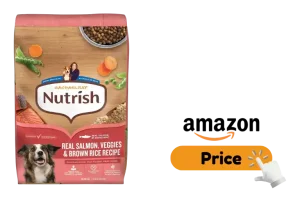
When comparing commercial formulas, it can also help to review the overall nutrition standards used by brands such as Blue Buffalo and Nutro. Focus on the actual recipe, not just the brand name.
Final Thoughts: Is Salmon Dog Food Good for Dogs?
Salmon dog food can be a smart choice if you want a balanced diet with fish protein and useful fats. The key lesson is simple: check the full recipe, confirm that it meets your dog’s life-stage needs, and watch how your dog responds. Do not expect salmon alone to solve skin, coat, or stomach problems.
For more comparisons, you can also review Victor dog food and Hill’s Science Diet. Compare their nutritional adequacy statements, calorie levels, and ingredient lists before choosing a formula.
Overall Rating: 4.3 / 5 Stars
Buy salmon dog food if: You want a complete diet with fish protein and your dog tolerates its ingredients.
Skip salmon dog food if: Your dog has a known fish allergy or needs a specific veterinary diet that rules it out.
FAQs for Is Salmon Dog Food Good for Dogs?
1. Is salmon dog food good for dogs with itchy skin?
It may help if the recipe supplies useful omega-3 fats. But itching can also come from fleas, infections, or allergies. Ask your vet if the problem persists.
2. Can dogs eat salmon dog food every day?
Yes, if it is complete and balanced for your dog’s life stage. Check the feeding guide and calorie level, and ask your vet if your dog has special diet needs.
3. Is salmon dog food better than chicken dog food?
Neither is always better. Salmon may offer more omega-3 fats, while chicken suits many dogs well. The best choice depends on the full recipe and your dog’s needs.
4. Can salmon dog food cause allergies?
Yes. Dogs can react to fish, just as they can react to other food proteins. If you notice itching, ear problems, or digestive upset, ask your vet for help.
5. Is salmon dog food good for puppies?
It can be, if the food is complete and balanced for growth. Large-breed puppies need a special nutrient balance, so check the label and seek vet advice before choosing a formula.